Post The Obligation to Pay Wages On Time Among the many mitzvot (commandments) listed in the Torah portion of Kedoshim (Leviticus 19:1–20:27) is an incongruous commandment telling the Jews to pay wages on time: Though paying wages is… Read More
Post Slaughtering a Mother and Her Offspring on the Same Day The Torah contains many commandments pertaining to eating animals; which animals are permitted and how to slaughter them. In the context of verses pertaining to Temple offerings, the Torah adds… Read More
Post The Shewbread: God’s Sustenance By the time we read the Torah portion of Emor (Leviticus 21–24), the Tabernacle has been built along with all of its necessary utensils. The Kohanim (priests) stand at the… Read More
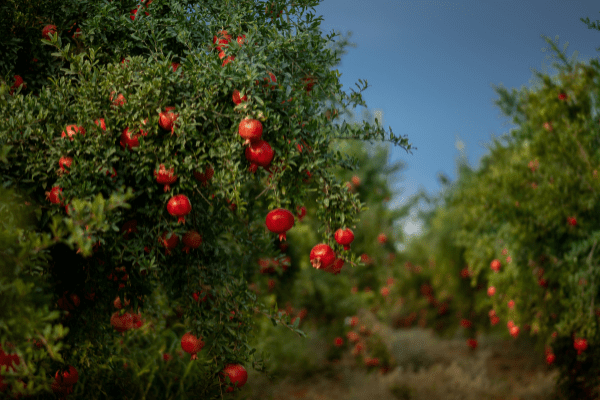
Post Tithes: It’s All from God Agriculture in Israel is a joint venture in which God partners with the farmers. God promises that if the Jews are faithful to the Torah and keep the commandments, He… Read More
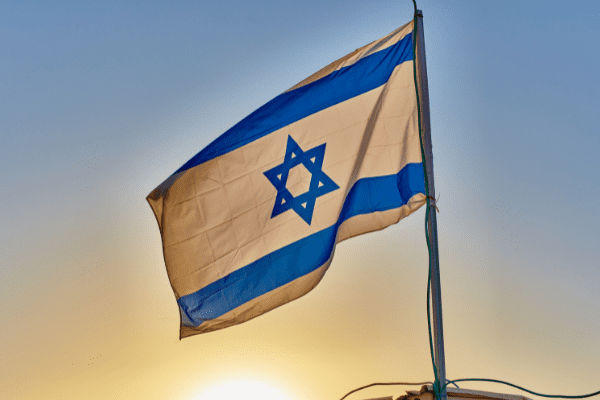
Post Waving the Flag During the Exodus and in Modern Israel As its name implies, the Book of Numbers opens with a census, counting the men of Israel for the purposes of war, and then describes how they camped in the… Read More
Post What Can we Learn from the Blasphemer? Leviticus (chapter 24) relates the story of a fight between an Israelite man and a half-Israelite man. The half-Israelite man was the son of Shelomith, daughter of Dibri, from the… Read More
Post What Does it Mean to Be Holy? Leviticus Chapter 19 begins with a deceptively simple commandment: There has been much speculation about this verse. At first glance, the imperative seems impossible as it requires the nation of… Read More
Post A Priest’s Marriage Limitations Until the Exodus from Egypt, the patriarchs had an individual relationship with God, bringing sacrifices wherever and whenever they felt the calling. But when God brought the Children of Israel… Read More
Post Why is a Blemished Priest Disqualified from Temple Service? After designating the descendants of Aaron as the kohanim (priests) in perpetuity, the Torah then delineates specific physical blemishes that disqualified, either temporarily or permanently, individual kohanim. Just as animals… Read More
Post Yom HaAtzmaut: Celebrating Israel’s Independence Yom Ha’atzmaut, Israel’s Day of Independence, is observed on the fifth day of the Hebrew month of Iyar. It commemorates the signing of the Israeli Declaration of Independence on May… Read More




















Post
What Does it Mean to Be Holy?
Leviticus Chapter 19 begins with a deceptively simple commandment: There has been much speculation about this verse. At first glance, the imperative seems impossible as it requires the nation of…