





For two hundred and ten years, the Israelites had lived as slaves in Egypt. They spoke Egyptian, dreamed in Egyptian, and according to tradition, many of them prayed to Egyptian gods. Then, on a single Shabbat afternoon, the tenth of Nisan, God asked them to throw all of it away.
Every year, the Shabbat before Passover is called Shabbat HaGadol, the Great Sabbath. Jews around the world observe it with the rabbi’s longest sermon, an afternoon reading of the Haggadah, and a special haftarah (reading from the Prophets) from the prophet Malachi. But none of that explains why it’s called great. To understand that, you have to go back to Egypt.
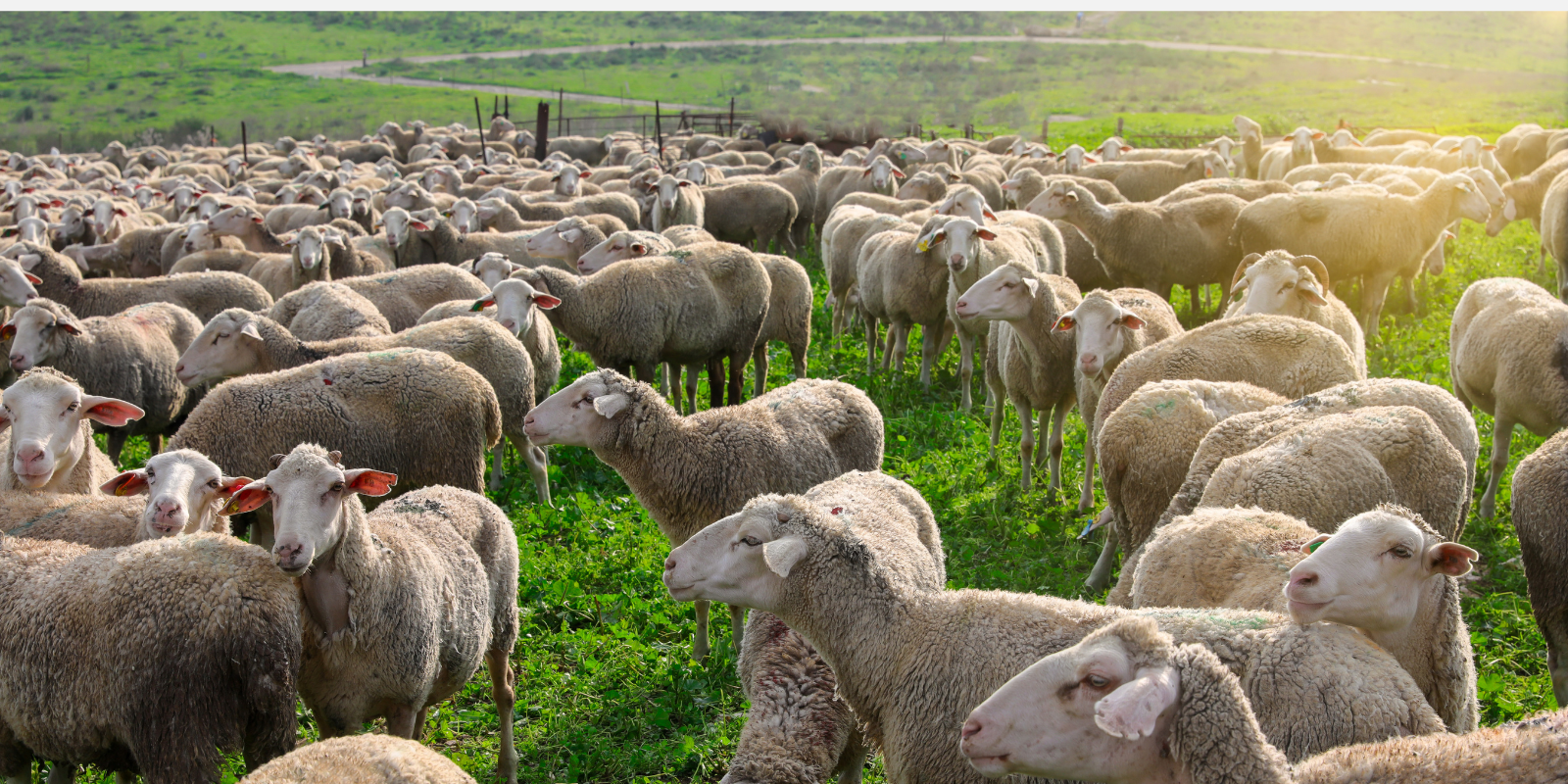
The lamb was no ordinary animal to the Egyptians. It was a deity. Slaughtering a lamb was blasphemy, a direct assault on their gods. The Israelites knew this. After two centuries living among Egyptians, absorbing their culture and their beliefs, many Israelites had internalized it. The rabbis teach that by the time the Exodus arrived, the Israelites had sunk to the forty-ninth level of spiritual impurity — one rung above the point of no return. Some of them, if we follow the rabbinic tradition honestly, were worshipping the lamb themselves.
By commanding them to take a lamb on the Shabbat before the Exodus, God was not simply asking the Israelites to acquire a lamb for a sacrifice. He was asking them to publicly renounce the religion they had absorbed — to take the thing they feared, or even revered, bind it in front of their Egyptian masters, and announce with their actions what they could not yet say in words: We are not yours. We do not belong to Egypt. We belong to God. And then, four days later, to slaughter it and smear its blood on their doorposts, so that every neighbor on the street would know exactly where they stood.
That is why the first Shabbat HaGadol was great.
But the story doesn’t end in Egypt.
The haftarah read every Shabbat HaGadol comes from the final chapter of Malachi. The prophet was speaking to the confused and disillusioned descendants of those original Israelites — Jews who had returned from Babylonian exile and rebuilt the Temple, but felt no divine presence. They looked around, saw the wicked prospering, and concluded that following God was pointless. Malachi’s answer was a promise:
The word translated here as ‘awesome’ is gadol, great. The Great Day of God, is coming — a day of judgment that will set things right. The Great Sabbath before the first redemption foreshadows the Great Day before the final one.
But as the scholar Ilana Goldstein Sacks has pointed out, there is a critical difference between the two. In Egypt, God drew the line between the Israelites and the Egyptians. Belonging to the right nation was enough. The future great day, however, will be different — God will distinguish not between peoples but between the righteous and the wicked within Israel itself. Malachi is explicit: those who exploit laborers, subvert the widow and orphan, and practice injustice will not be spared simply because they are Jewish. For the rest, the promise is striking: “But for you who revere My name a sun of victory shall rise to bring healing” (Malachi 3:20).
The prophets — Amos, Jeremiah, Micah — spent generations warning Israel about this. The people kept pointing to the Temple, to their chosenness, to the memory of the Exodus, and assuming God’s protection was guaranteed. “Woe to you who wish for the day of the Lord!” Amos thundered. “It shall be darkness, not light” (Amos 5:18). Chosenness is not a shelter for the corrupt. It is a call to become worthy of what that first Shabbat HaGadol demanded.
As Goldstein Sacks notes, the Passover Seder does something unusual with time. We don’t merely remember the Exodus — we declare ourselves participants in it: “In every generation, a person is obligated to see himself as if he personally left Egypt.” By the end of the night, we are singing about the rebuilding of Jerusalem, toasting a future we haven’t seen. Past and future collapse into a single evening.
Shabbat HaGadol stands at the threshold of all of it. The lamb tied to the bedpost was the first act of a people choosing to be God’s. The question Malachi poses — and that this Shabbat quietly asks every year — is whether we are still making that choice. Not by nationality. By the lives we actually live.
Passover begins in five days. It’s time to answer.
Want to learn more about Passover? Passover from the Inside: A Jewish Guide for Christian Readers walks you through the entire holiday — the rituals, the rabbinic debates, the songs, the theology, and the living tradition behind all of it. Order Passover from the Inside today!