




At Israel365, we have tried nearly everything. Webinars and conferences, email campaigns and advocacy briefings, glossy magazines and Bible studies that run for months. We have flown pastors across the world and sat them down with serious scholars. But nothing we do comes close to the impact of a single Friday night Shabbat meal.
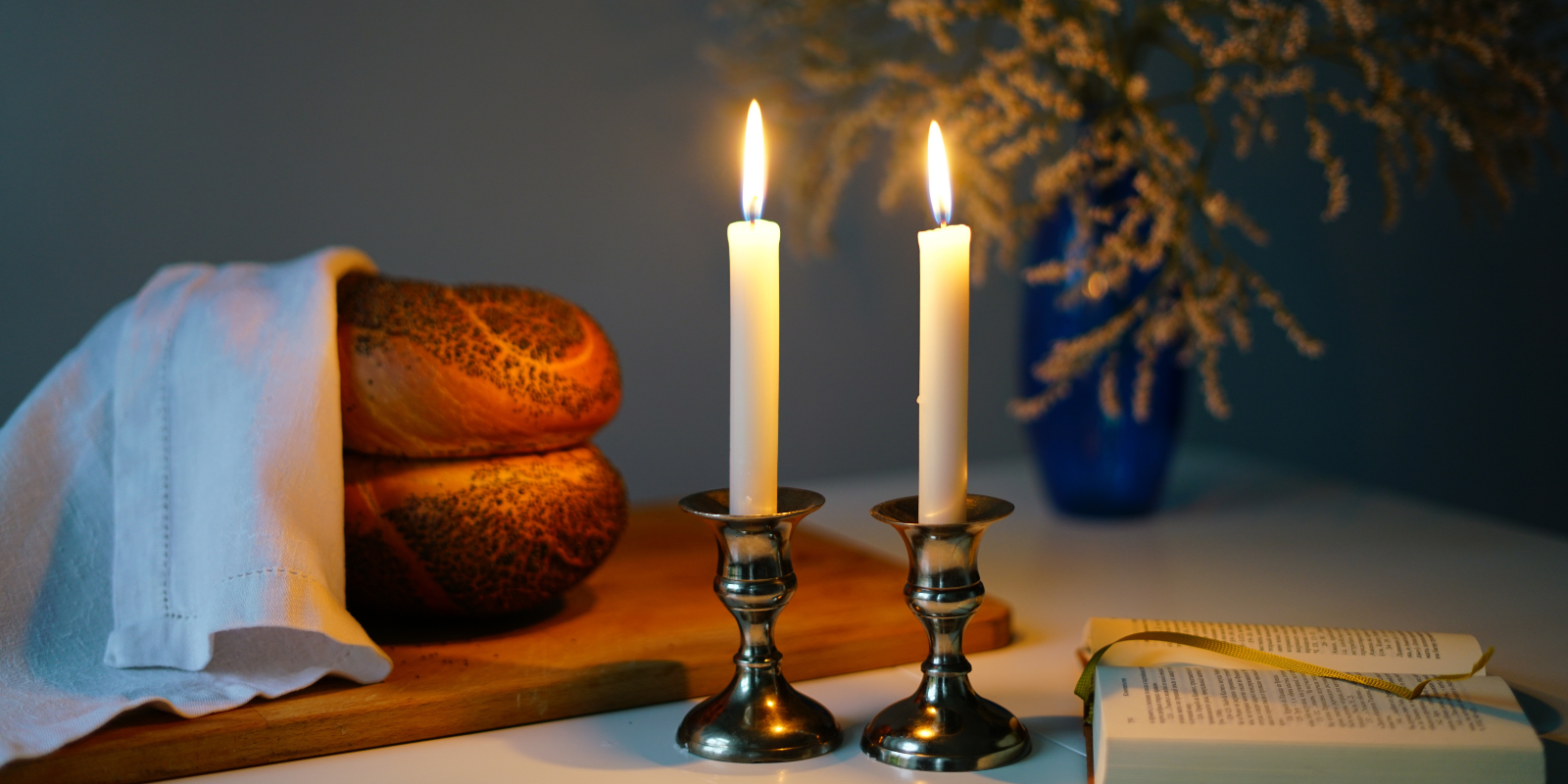
Nothing opens a Christian’s eyes like Shabbat. You can spend years explaining why the Jewish people matter, why the Land of Israel is the beating heart of the Bible, why the Hebrew Scriptures still speak with full authority today. Or you can sit that same person at a Shabbat table with the candles lit, freshly baked challah, and a family singing ancient songs, and watch the understanding arrive on its own. We have seen it so many times that we rebuilt the way we work around it. Our goal, in Israel and in America, is almost embarrassingly simple: get people to experience one Shabbat meal. After that, the magic takes care of itself. It’s why I wrote Shabbat Revolution.
Why is one Shabbat meal more powerful than months of meetings, more powerful even than a serious study of Scripture? Why does a single evening accomplish what years of teaching cannot?
Rabbi Abraham Isaac Kook, the first Chief Rabbi of the Land of Israel, taught that the holiness of the people of Israel was never earned. It was not won by good deeds, righteous choices, or noble character. It is part of who they are, built into the soul of the nation from the start, the way a child inherits the features of a parent. And because it was never earned, it can never be lost. No amount of failure or sin can strip it away, because no good behavior put it there to begin with.
This buried greatness, real as it is, does not show itself in ordinary life. The noise of daily existence covers it over. Work, competition, anxiety, the endless busyness of our week – all of it clouds our inner light until we can no longer feel the holiness hidden inside our own souls. But that holiness does not disappear. It goes quiet, and waits for an opportunity to burst forth and reveal itself.
And then comes the day designed to wake it.
Shabbat, for Rabbi Kook, is the day each week when our holy souls, always present but buried under the distractions of the week, finally rise to the surface. The Sages teach that we are all gifted with an “additional soul” that rests upon us from Friday night until the stars appear on Saturday. When we stop working and the noise drops away, the soul that was there all along finally has room to breathe and shine.
This is why a Shabbat meal works where arguments fail. We assume people just need the right argument: the perfect verse, the perfect speaker. But you cannot argue a man into his own soul. The problem was never a lack of information. It is noise. The week drowns out the soul, and no argument can be heard over the din. Shabbat does not add anything. It clears the noise away, and the soul speaks for itself.
What Shabbat accomplishes for the individual, the Sabbatical year accomplishes for the entire nation.
Every seventh year the Land of Israel rests. The fields lie open, debts are released, and the machinery of production halts across the entire country. Just as the soul of one Jew surfaces on Shabbat, the soul of the entire nation surfaces in the seventh year. When a whole people stops working the land at once, the holiness that the daily grind keeps buried finally comes out.
Rabbi Kook wrote about Israel’s unique relationship with Shabbat, but the principle he taught speaks to every human being. The Bible teaches that every man and woman is created in the image of God, and that every person carries a holy soul of their own. Jew or Christian, that holy soul is too often buried under the noise of the week – and it longs to be freed. This is why Christians across the world are so drawn to the power of Shabbat.
I wrote Shabbat Revolution: A Practical Guide to Weekly Renewal for exactly this moment. Not as theology to admire from a distance, but as a practical guide for Christian families who want to bring Shabbat into their own homes: the candles, the bread, the deliberate stopping, the choice to put God and family ahead of the hustle. In a 24/7 world addicted to its screens, choosing to stop is a genuinely revolutionary act, and it can remake a life, a family, even a nation.
At Israel365, we stopped trying to win arguments a long time ago. Convincing people through debate and data that Israel and the Hebrew Bible are essential to their own lives, it turns out, is not the way. So we stopped arguing and started inviting. We light the candles, set the table, pour the wine, and bring people into Shabbat itself, where they can see it, taste it, and feel it for themselves.
The world only gets louder, burying the soul a little deeper each year. The cure was written into the Bible before the noise ever began. One Shabbat meal is enough to remember who you are.