





Ten plagues had devastated Egypt. Pharaoh was broken. The greatest empire in the ancient world was on its knees. God was about to split the sea, drown an army, and lead an enslaved nation to freedom in the most dramatic moment in human history.
And He stops to talk about the calendar.
Before the tenth plague struck, before the Exodus began, God pulled Moses aside and gave the Jewish people their first commandment as a nation — not a law about justice, not a prohibition against idolatry, not even instructions for the Passover sacrifice. A calendar.
Why?
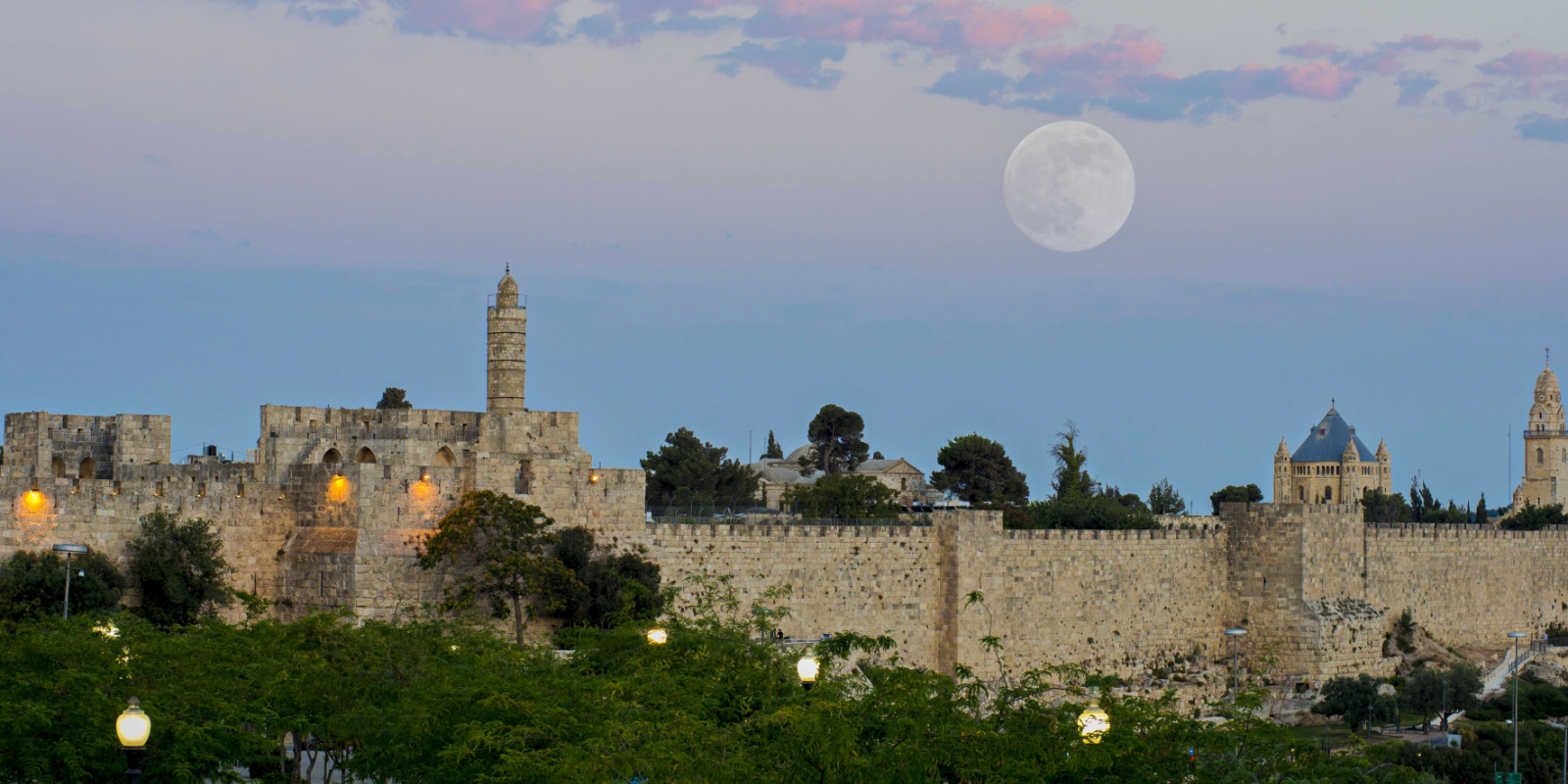
The question gets stranger when you know what the commandment actually requires. The Jewish calendar is a lunar calendar, and in biblical times, a new month began when witnesses spotted the new moon and reported it to the rabbinic court in Jerusalem. The court would then formally declare that the new month has begun. Only then would the month officially start. The calendar didn’t run itself. It required human participation, human testimony, human decision-making.
Rashi, commenting on the very opening of the Torah, raises a question that has puzzled readers for centuries: why does the Torah begin with Creation at all? If the Torah is a book of law, it should have begun with this commandment in Exodus 12, the first law given to the Jewish people. His question implies that this commandment to sanctify the new month is the true beginning of the Jewish legal story.
And maybe that’s the point.
Think about what slavery actually does to a person. It is not only the backbreaking labor, the beatings, the humiliation. It is something more insidious: it makes your life happen to you. A slave does not decide when to wake up, when to rest, when to eat. He does not plan for next month or next year, because next month and next year are not his to plan. For two centuries in Egypt, the Jewish people had no relationship with time whatsoever. Time belonged to Pharaoh.
So the first thing God gave a nation of slaves was not rest. It was responsibility. Not freedom from obligation, but the obligation to take ownership of something they had never controlled before: time itself.
God understood that you cannot simply remove the chains and call it liberation. A people conditioned by generations of slavery needs more than an open road — it needs a destination, a structure, a reason to take the next step. Before the sea splits, before the desert, before Sinai, God hands the Jewish people a calendar and says: your time belongs to you now. Start deciding what to do with it.
That is the beginning of the Jewish nation.
The rest of Exodus follows from this moment — the giving of the Torah at Sinai, which gave the people not just laws but identity and purpose, and finally the construction of the Tabernacle, which gave them a portable home for their relationship with God. All of it flows from that first act of radical trust: God handing an enslaved people a calendar and expecting them to use it.
The complete story of how those pieces fit together — why Sinai, why the Tabernacle, and what all of it means for us today — is worth hearing in full. Watch our new Bible Month conversation on the Book of Exodus, now on The Israel Bible YouTube channel.