








On September 24, 2026, Prime Minister Benjamin Netanyahu stepped to the podium of the United Nations General Assembly, and dozens of delegations rose and left the hall. The walkout was coordinated in advance. The Palestinian mission asked member states to bring as many staff as possible and leave together the moment the Israeli prime minister was announced. By the time he began to speak, much of the chamber sat empty.
A week later, during Sukkot, Christians from all over the world came to Jerusalem to celebrate the holiday alongside the Jewish people.
Two gatherings of the nations, one week apart. One walked out on Israel. The other walked in.
Which of these is the true picture of Israel and the nations? This week’s Torah portion, Noach, describes the nations of the world before there was a single Jew among them. Even then, Israel was already part of the picture.
After the flood, God makes His first covenant in the Bible, and He makes it with everyone:
Its sign is the rainbow, which appears over every country on earth and belongs to none of them.
Then the Torah pauses the story to list the descendants of Noah’s three sons, nation by nation (Genesis 10). The Sages counted seventy nations in this list, and the number became Jewish shorthand for all of humanity. On Sukkot, the Temple offered seventy bulls on their behalf.
Rashi adds a remarkable detail. In the song Moses sings at the end of his life, he says:
Rashi explains that God divided humanity into seventy nations to correspond to the seventy souls of Jacob’s family who would one day go down to Egypt (Rashi on Deuteronomy 32:8). The map of the world in the portion of Noach was drawn with Israel already in view, generations before Abraham was born.
Immediately after the list, the nations unite.
Humanity’s first international coalition forms against Heaven. The project fails, and God scatters them. Then the Torah narrows its focus to a single family: Terah, his son Abram, and a journey toward the land of Canaan.
The order of these chapters matters. In his book Universal Zionism, Rabbi Tuly Weisz quotes Rabbi Jonathan Sacks: “God, the creator of humanity, having made a covenant with all humanity, then turns to one people and commands it to be different in order to teach humanity the dignity of difference.” The covenant with Noah comes first. The choice of Abraham comes second, and it does not cancel the first. It serves it. God’s very first promise to Abraham ends with the nations: “All the families of the earth shall be blessed through you” (Genesis 12:3).
This is the heart of Universal Zionism. From the very beginning, the nations were partners in a covenant with God. They were placed on the map in relation to Israel, and Israel was chosen to bring them blessing. The return of the Jewish people to their land is the next chapter of a story the whole world belongs to.
Rabbi Weisz observes that for most of history, the gentiles who understood this were individuals: Jethro in the wilderness, Rahab in Jericho, King Hiram of Tyre, Cyrus of Persia. The prophets looked forward to something larger, a day when entire peoples would come. Zechariah describes it: “In those days, ten men from nations of every language will take hold of the hem of a Jew’s garment and say, ‘Let us go with you, for we have heard that God is with you’” (Zechariah 8:23). The nations do not become Israel. They walk with Israel. That is what the visitors in Jerusalem this Sukkot were doing.
The reading from the Prophets that accompanies the Torah portion of Noach draws the two covenants together. Isaiah, consoling a Jewish people in exile, reaches back to this week’s Torah portion for his strongest image:
The plain meaning of the verse is a guarantee. God’s promise to Israel is as reliable as His promise to the world. But the comparison He chooses is telling. God could have sworn by anything. He swore by the covenant He made with all humanity. The two covenants are not rivals. The promise to Israel stands on the foundation of the promise to everyone.
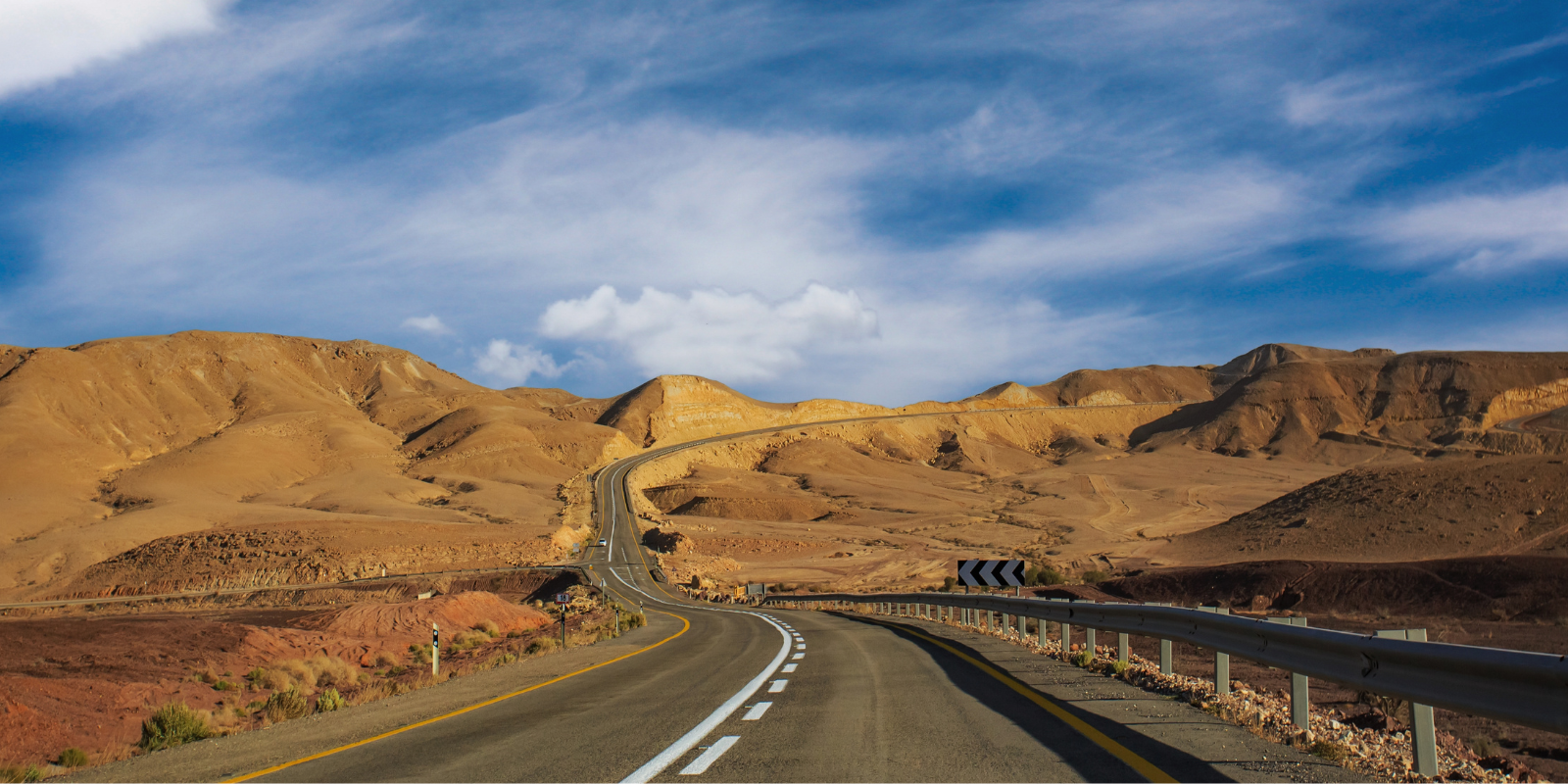
Noach ends in the middle of a road. Terah sets out for the land of Canaan with his son Abram and stops in Haran, halfway there (Genesis 11:31). Next week, God tells Abram to keep going, and gives him a promise that divides the world in a new way: “I will bless those who bless you, and the one who curses you I will curse, and all the families of the earth will be blessed through you” (Genesis 12:3). From that moment on, how the nations fare is bound up with how they treat one family. Some of those nations walked out of a hall in New York. Some of their people walked into Jerusalem. The Bible leaves no doubt about which road leads to blessing.