








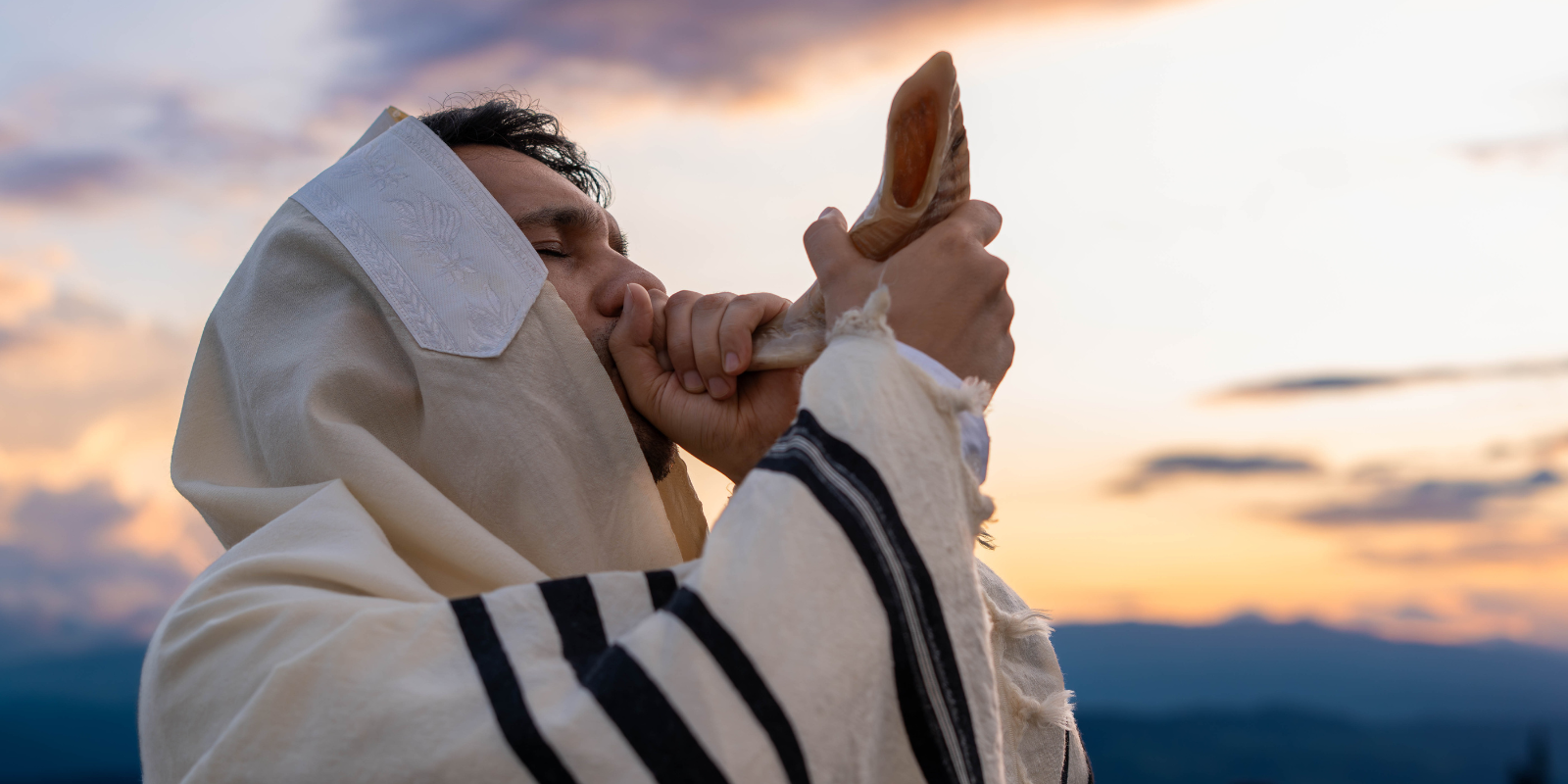
Rosh Hashanah is almost here, and with it the first of the Ten Days of Repentance, the annual stretch of self-examination that begins with the New Year and culminates ten days later in Yom Kippur.
But something has always bothered me. Why did God put Rosh Hashanah first?
I know that sounds like a strange question. Rosh Hashanah is the New Year, so where else would it go if not first? But look at what these two days, Rosh Hashanah and Yom Kippur, actually are, and the order starts to seem backwards.
Rosh Hashanah marks the anniversary of the creation of humanity. We sound the shofar, the ram’s horn, and we crown God as King of the world. It is also Yom HaDin, the Day of Judgment, when God opens the books and weighs the coming year for every living thing. Yom Kippur, the Day of Atonement, closes the period, and on it we fast, confess our sins, and ask forgiveness.
You would think we would do that in reverse. Clear the account before opening the new one. Apologize before the celebration. Surely the day of confession and repentance should come first, and only then, once we stand clean, do we have the nerve to crown a King.
The trial makes the question sharper still. We go on trial before we have confessed, and only ten days later do we open our mouths to admit what we did.
Instead we do the opposite. We coronate first and confess after.
Why?
Deuteronomy 30, the passage the Sages call “the portion of return,” lays out the sequence of return to God, and the first move is not what most people expect:
Read the order carefully. Before anything else comes v’hasheivota el levavecha, translated here as “and you take them to heart,” which literally means you shall return it to your heart. You come back first to your heart, to your true self. Only then do you turn toward God, and only then does God turn back toward you. Teshuvah, return, works as a give and take, and the opening move belongs to us. We take the first step home, and Heaven closes the rest of the distance.
Rabbi Levi Yitzchak of Berditchev, the eighteenth century Hasidic master known for arguing the case of the Jewish people before Heaven, told a parable that captures this beautifully.
A king lost his way in a forest. A man found him there, recognized who he was, and led him safely back to his palace. The king rewarded him richly and raised him to the rank of minister. Years later that same man rebelled against the king and received a death sentence. Granted one final request, he asked that he and the king both put on the clothes they had worn on the day they met in the forest. The king agreed. Once they stood dressed as they had been on that first day, the king called off the execution and told him he had saved his own life.
The simple reading is that Israel once did God a favor. When God offered the Torah, the nations of the world turned it down and Israel accepted, crowning the Creator as King on Mount Sinai amid the sound of a great shofar. Since then we have rebelled, like the man in the story, and the Day of Judgment finds us with a great deal to answer for. Our shofar on Rosh Hashanah reminds God of that day at Sinai, and the merit of it carries us through the verdict.
That reading is true, but Rabbi Tzvi Freeman and Rabbi Menachem Posner argue that it does not explain why Rabbi Levi Yitzchak needed an entire parable to say it. They draw out the deeper layer of meaning.
Notice that both men change clothes. The minister did not merely remind the king of an old debt. He returned to his origin, and he brought the king back with him. Standing in those forest garments, he became again the man who recognized his king instantly, the man for whom rebellion was not even a possibility. And that man had never sinned. Some later, corrupted version of him had failed. The original was loyal all the way through.
The king returned too. In his old clothes he stood once more as a man lost in the woods, looking at the one person who had known him when he had no crown, no palace, and no kingdom to his name. He owed this man everything. How do you execute someone you are looking at through those eyes?
That is what happens on Rosh Hashanah. Every created thing returns to its origin, and the return runs in both directions. We return to the people we really are and still want to be. God returns to the day at Sinai when we crowned Him King, before any of this went wrong between us.
This is what the sound of the shofar really does. It has no words because the place it reaches has no words. It is a raw cry, older than language, a sound that goes past every layer we have built and touches the person underneath all of it. And it is the same sound that rang out at Sinai, which is why it reaches both of us at once.
Now the calendar makes sense. Yom Kippur can only come after Rosh Hashanah, because you cannot repair a self you have not yet found. Confession before that is only guilt, and guilt runs hot for a week and dies. A person who repents without remembering who he is spends every year apologizing for the same things. A person who first returns to his origin spends the year becoming it.
Before you make your list of what you did wrong this year, make the harder list. Who were you before the drift? What did you care about before you got busy? Let the shofar ask you, and answer it honestly. Because once you stand there in your original clothes, God looks at you and finds no criminal at all. He finds His own child, and He says, let us begin again.
Shanah tovah.