







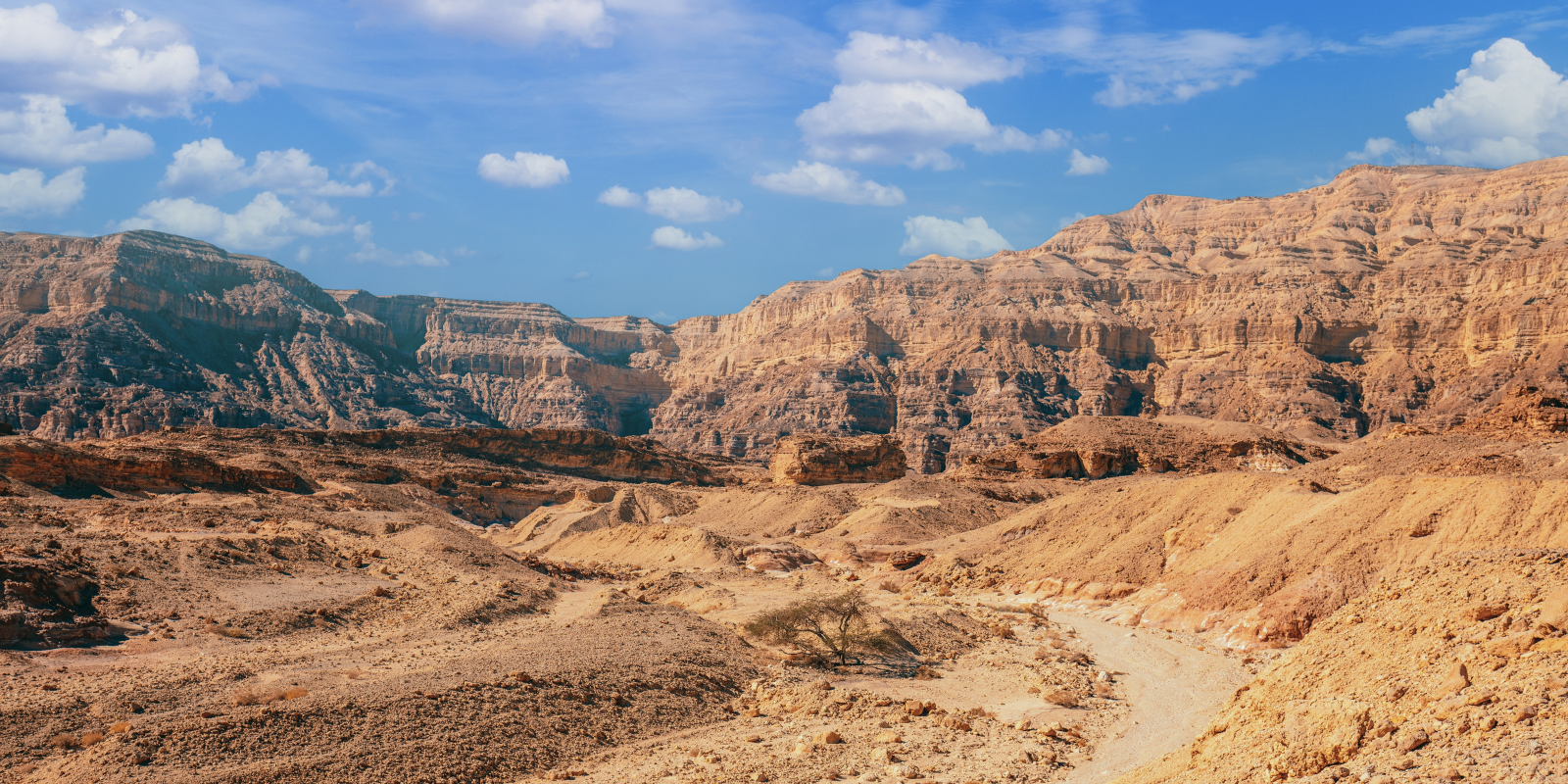
Jerusalem was under siege. The Babylonian army had the city surrounded, starvation was setting in, and the prophet Jeremiah was sitting in prison, imprisoned by his own king for telling the truth no one wanted to hear. This was, by any rational measure, the worst possible moment to make a real estate investment. And it is exactly the moment God told Jeremiah to buy land.
It’s one of the stranger commands in the Hebrew Bible, and one of the most instructive. So here is the question worth sitting with: why would God command a real estate purchase in the middle of a national catastrophe? What could possibly be the point of owning land you’re about to lose?
The story is recorded in painstaking legal detail in Jeremiah 32. Jeremiah’s cousin Hanamel comes to him in prison and offers to sell him a field in Anatot, invoking the ancient law of redemption that kept land within a family. Jeremiah recognizes this as the word of God confirmed, and he goes through with the purchase in full public view. Take a look at just how deliberately the text describes it:
Two copies of the deed. A named scribe. Named witnesses. Every legal formality observed, as if this transaction needed to survive not just the sale, but the coming exile itself.
That’s precisely the point. God tells Jeremiah exactly why the documentation matters:
This deed wasn’t meant to be useful next week. Rabbi Tuly Weisz, in his course on Jeremiah on Bible Plus, said that it was meant to survive decades, buried and preserved, waiting for a generation not yet born to discover that their ancestor believed in their return before they existed to need that belief.
Jeremiah wasn’t investing in property. He was investing in a promise he would never personally see fulfilled. He knew Jerusalem would fall, and he said so, repeatedly, at tremendous personal cost. And in the same breath, he bought land in the city he prophesied would burn, because the same God who decreed the exile also decreed it would end. Destruction and restoration were never two separate stories to Jeremiah. They were one story, and he refused to tell only half of it.
This is not merely historical. In 1982, a young couple named Yaakov and Naama Berg moved to a barren hillside in Samaria and planted a vineyard, believing, like Jeremiah, that this land would bloom again exactly as promised in Jeremiah 31:
Everyone told them they were foolish. Digging foundations for their storehouses, they found a 2,500-year-old winepress from the Hasmonean period sitting directly beneath their home, along with an ancient coin inscribed “Freedom for Zion.” Today that vineyard is the Psagot Winery, sending wine around the world from a hillside travelers like Mark Twain once called cursed and lifeless.
Jeremiah bought a field he would never farm. The Bergs planted vines on land everyone called worthless. Both acts said the same thing to a world that saw only the present catastrophe: this is not the end of the story. The exile is real. And so is what comes after it.
We are living, right now, inside the second half of Jeremiah’s promise, watching land that stood desolate for two thousand years bloom again exactly as he said it would. The question this leaves each of us with is simple. When the evidence in front of you looks like ruin, what will you go plant anyway?
This teaching is drawn from one of our Bible Plus courses on the Book of Jeremiah, exploring his life, his prophecies, and how his ancient promises are still unfolding in the modern land of Israel.
Bible Plus is our online Bible study platform, built for anyone who wants more of the Hebrew Bible in their life.
Sign up for as low as $5 a month with an annual subscription, or $7 a month if you’d rather go month to month. Inside, you’ll find an incredible community of people who all want the same thing: to go deeper into the Old Testament, taught by real scholars and teachers who know the text and the land it came from. New courses are added every month, and you can hop around and choose whatever speaks to you. There’s no set path here. Go at your own pace, and let the Bible meet you where you are.