







Can I be very honest with you? Sometimes I struggle with the word miracle. Not because I do not believe in miracles. I do. I struggle with it because sometimes one person’s miracle happened only a few meters away from someone else’s tragedy.
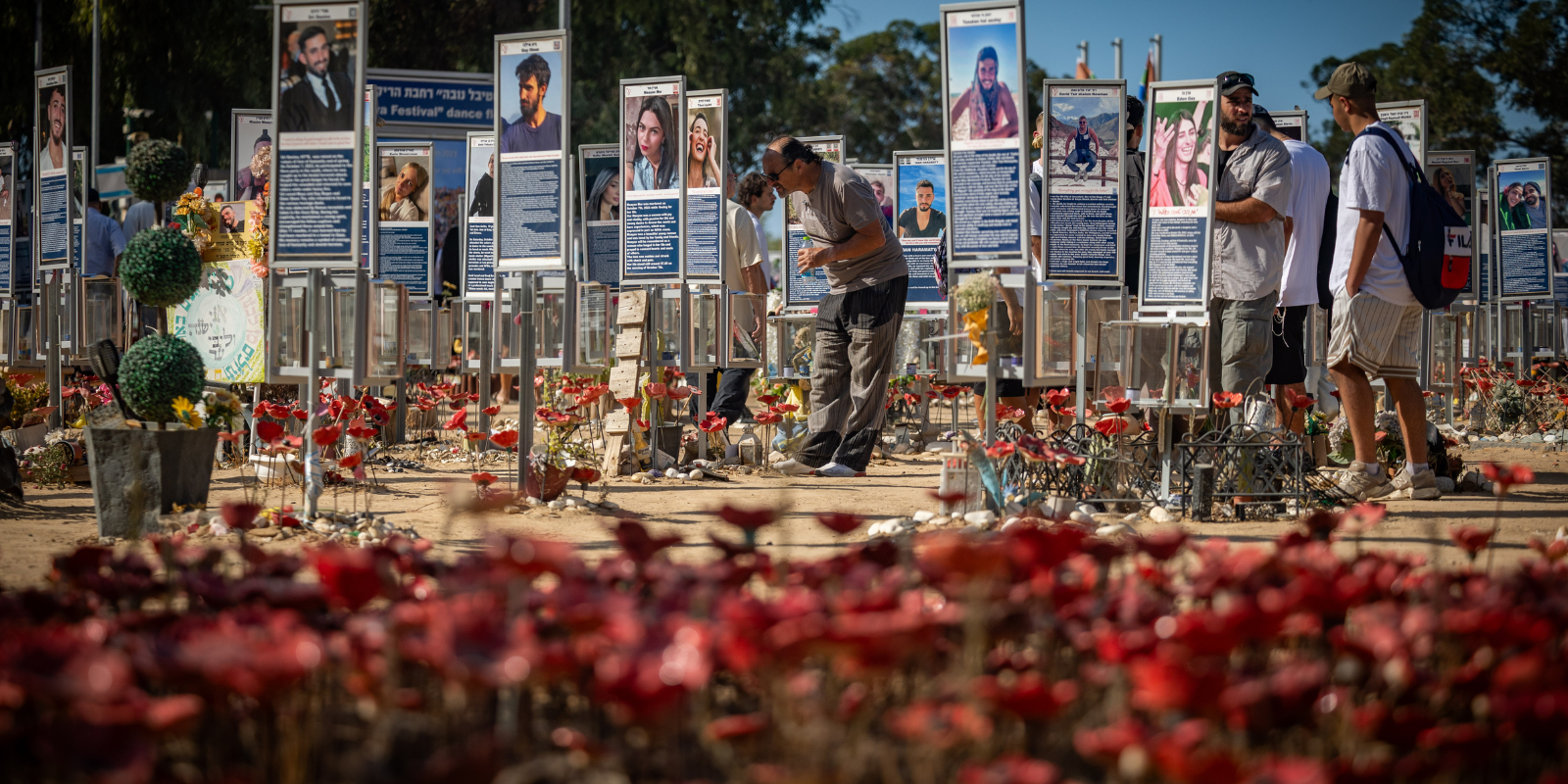
Tomorrow marks three years since October 7, 2023. Over these past three years, we have heard extraordinary stories of survival. A family hid silently in their safe room for hours while terrorists moved through their home and somehow never opened the door. Someone ran from the Nova festival and changed direction at exactly the right moment. A soldier arrived seconds before someone would have been killed. A person was wounded in a way that should have been fatal and survived. We hear stories like these and instinctively say: It was a miracle.
And maybe it was. But then another question comes. What about the house where the terrorists did open the door? What about the person who prayed just as desperately and did not come home? If I call one person’s survival a miracle, what exactly am I saying about everyone else?
I have been thinking about this because of another remarkable story in the news recently, involving a Flydubai flight whose passengers and crew prevented what could have been a terrible disaster. People fought an attacker. A dentist treated the near fatal wounds of the captain. Crew members used their training. Ordinary people acted with extraordinary courage. Afterward, people debated whether what happened should be called a miracle or an act of human heroism.
But that debate does not quite get at what unsettles me. I am not troubled by the idea that human courage and Divine help can co-exist What I struggle with is what happens when we recognize God’s hand in the story that ended well, while believing that the story that ended terribly was also, somehow, in His hands.
There is a story in the Book of Daniel that gives me language for this. Hananiah, Mishael and Azariah are threatened with death in a fiery furnace unless they bow down to Nebuchadnezzar’s idol. Their response is remarkable:
They do not say, “We have faith, therefore we know we will survive.” They say something much harder: God can save us, but our faith is not conditional on being saved.
That distinction feels enormous to me. Daniel does not tell us why one person is saved and another is not. Rather, he tells us something about what we are meant to do with our faith when we cannot understand God’s decisions.
Sometimes religious language can become too neat after the fact. Someone survives, and we say God saved them. Someone misses a bus that later explodes, and we say God protected them. Someone escapes a massacre, and we call it providence. Those may all be true. But if I believe in Divine providence, I cannot limit it only to the stories whose endings I can understand.
That is a much harder answer to live with.
I believe that both stories are in God’s hands. I also know how difficult that sentence can be when one of those stories ends in unbearable loss. I do not say it as an explanation for someone else’s grief. I do not know why one person survived and another did not. I say it as part of the tension I am trying to understand in my own faith.
We can thank God for a life that was saved without claiming to understand why another life was not. We can call something miraculous without turning the miracle into a formula. We can believe that God is present even when we cannot understand what He has allowed to happen.
October 7 was filled with acts of astonishing heroism. People drove south toward danger to rescue strangers. Police officers and soldiers fought while outnumbered. Parents protected children. Neighbors saved neighbors. People who had never trained for crisis found themselves making impossible decisions in seconds. Some of those actions saved lives. Some people still did not survive.
Three years later, I do not want to stop using the word miracle. I just want to use it with more humility. A miracle can be something we recognize with gratitude without pretending that we understand why it was granted here and not there.
Hananiah, Mishael and Azariah knew that God could save them. They did not make their faith dependent on knowing that He would.
God can save us. But our faith is not conditional on being saved.