








Somewhere over the desert, on the fifth day of Sukkot, flydubai Flight 1073 started to fall. The Boeing 737 was carrying 174 passengers from Dubai to Tel Aviv, nearly all of them Israelis. In a matter of seconds it began to plunge. Inside the cockpit, the co-pilot had stabbed the captain and, according to Israeli officials, was trying to fly the plane into the ground.
What happened next was extraordinary. The wounded captain, Smit Machchhar, an Indian national who is being hailed as a hero, fought back and managed to unlock the cockpit door. Three passengers forced their way inside, and one of them, Yaniv Hayun, put the attacker in a chokehold and dragged him out. Two other pilots happened to be on board, and they took over the controls. Soon after, the plane landed safely in Tabuk, in northwestern Saudi Arabia. That evening, when a replacement flight brought them home, the passengers came through Ben Gurion Airport singing Am Yisrael Chai, “the people of Israel live.”
On every day of Sukkot, Jews recite Hallel, the collection of praise psalms from Psalm 113 through Psalm 118. Read with the news in hand, one line from that morning’s Hallel sounds less like poetry and more like a flight report:
That is exactly what happened on Flight 1073. A terrorist in the cockpit pushed the plane and everyone in it toward the ground, and for several terrifying minutes it fell. Then the fall stopped. Hands reached the controls, the plane leveled off, and every person on board lived. On that morning the psalmist’s words were no metaphor. The plane was literally falling, and God helped.
But the second half of that verse raises a hard question. Every eyewitness account from Flight 1073 describes human hands, not heavenly ones. Real men, with the captain’s blood on their shirts, threw themselves at a man holding a knife. Nobody on that plane heard a voice from heaven. They were saved by people who refused to stay in their seats.
So when we read “the Lord helped me” into Wednesday’s events, are we describing what actually happened? Or are we simply hanging a pious caption on a story of human courage?
The answer can be found in the first battle Israel fought as a nation. When Amalek attacked Israel in the wilderness, Joshua led the soldiers into combat while Moses stood on a hilltop with his arms raised.
The Sages were puzzled by this verse. Do the hands of Moses win a war or lose one? Raised arms on a hilltop don’t defeat an army. Their answer: the victory was never in Moses’ hands. It was in where those hands pointed, and where the soldiers were looking. As long as Israel looked upward and turned their hearts to their Father in Heaven, they prevailed, and when they stopped, they fell.
The swords were real and the fighting was real. Moses’ raised hands did not replace the army. They told the army where its strength came from.
Psalm 27, recited daily from the start of Elul through the end of Sukkot, strikes the same balance. Its closing verse reads:
“Hope in the Lord; be strong, and let your heart take courage. Hope in the Lord!” (Psalm 27:14)
Look at how the verse is built. In the center stands a command to human courage, chazak, be strong. On either side of it, like two walls holding it up, stands hope in God. The courage is not a substitute for faith, and the faith is not an excuse for sitting still. King David, who wrote these words, was a soldier his whole life. Earlier in the same psalm he declares, “Though an army camp against me, my heart will not fear; though war break out against me, even then I will be confident” (Psalm 27:3). David never hid behind his prayers. It was with prayers on his lips that he went out to fight.
There is another line from Psalm 27 that belongs to this story, and the Sages saw in it a hint to Sukkot itself. “For He will hide me in His shelter on the day of trouble” (Psalm 27:5). The Hebrew word for “His shelter” is sukko, His sukkah.
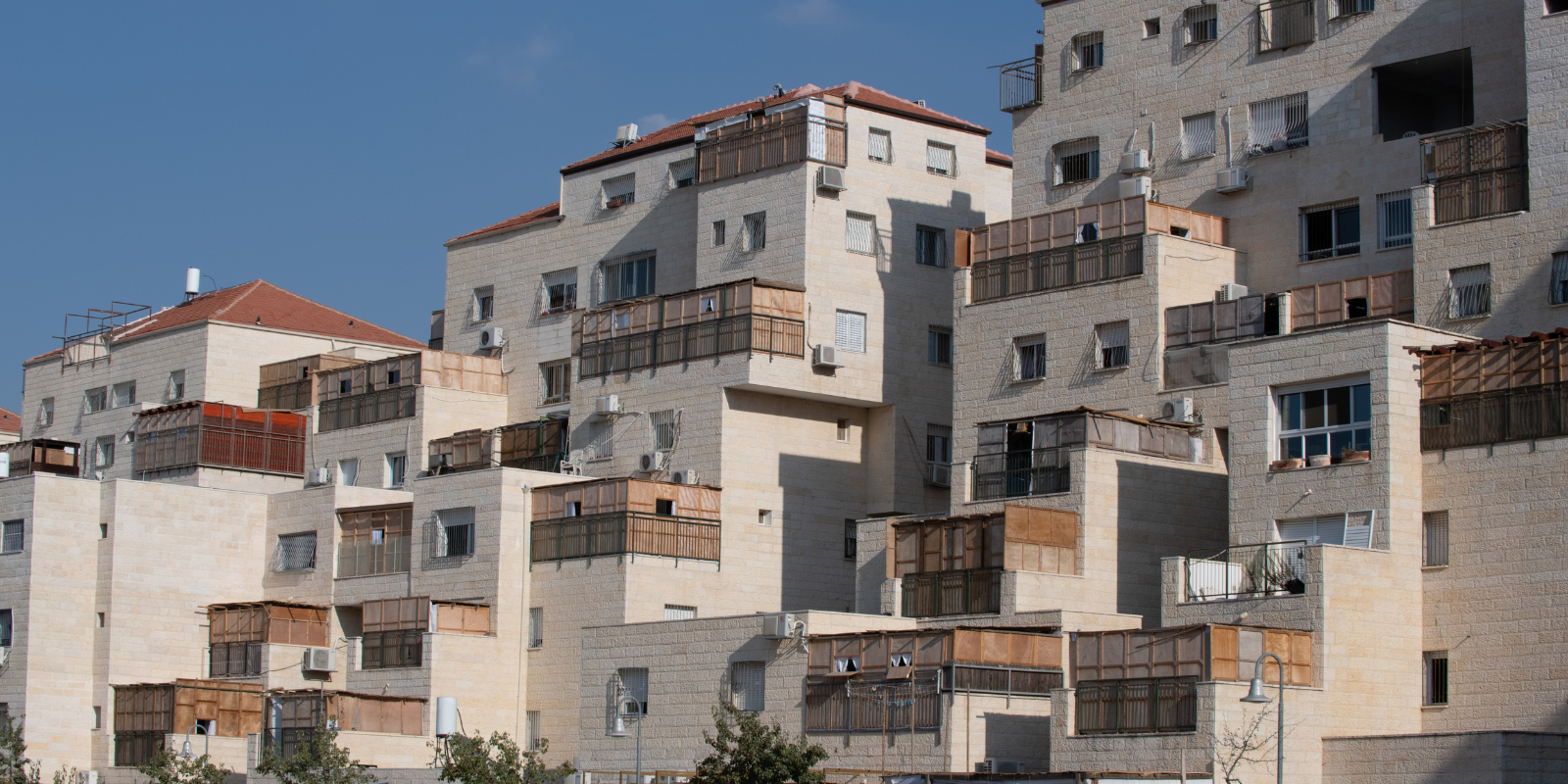
The sukkah is a strange kind of protection. Its roof must be made of cut branches or other plant material, ideally thin enough to see the stars through. The Sages teach that for seven days a Jew must leave his permanent home and live in a temporary one. For one week a year, we deliberately give up the illusion that walls keep us safe, and place our trust in God alone.
According to Rabbi Eliezer, the sukkah recalls the Clouds of Glory that surrounded the Israelites in the desert, the visible sign of God’s protection in the wilderness.
On the fifth day of Sukkot, the passengers of Flight 1073 discovered how temporary their dwelling really was, and how real that protection still is. The clouds that sheltered Israel in the wilderness were over the desert again.
In the words of Rabbi Jonathan Sacks: “Sukkot is the festival of insecurity. It is the festival of a people who know they will never be entirely safe, surrounded as they are by larger, stronger nations, assaulted as they have so often been for having the courage to be different. Sitting in the sukkah is all the security we need.”
When the passengers finally landed in Israel, they sang Am Yisrael Chai. It is a beautiful song, and it echoes another verse from Hallel: “I will not die, but live, and tell of the works of the Lord” (Psalm 118:17).
The verse does not stop at “live.” It goes on: “and tell of the works of the Lord.” The news will tell this story as a tale of heroism, and it is one. The psalm asks us to tell it the way David told his own battles: as the work of brave men and the work of God, with no contradiction between the two.
This Sukkot, as families sit beneath their thin roofs of branches, the lesson of Flight 1073 is written overhead. Walls do not protect us. God does. And sometimes He protects us by asking us to get up out of our seats.