








In 2024, 961,700 foreign visitors came to Israel. Before the war, the Tourism Ministry had been projecting five and a half million. The hotels stayed open, but largely by housing families evacuated from the northern and southern borders, and the guides who had spent their careers walking groups through the Old City went looking for other work.
Last year the number climbed back to 1.3 million. Nearly half of those arrivals came to visit family and friends, which tells you something in itself about who was willing to board a plane.
But the composition of the rest of the arrivals is where it gets interesting. In 2024, one in twenty visitors to Israel came as a Christian pilgrim. A year later that had nearly doubled. Israel’s Tourism Ministry has since put more than twenty million shekels into a North American campaign that names evangelicals, alongside Jewish communities, among its core audiences.
Those pilgrims had no relatives in Israel, no ancestral graves here, no birthright trip, no obligation of any kind. They spent savings they did not have to spare to visit a country that a good portion of the world was busy condemning, at a moment when the airlines had not fully returned, the insurance was expensive, and their neighbors thought they had lost their minds.
What exactly are they coming for?
This week’s Torah portion is unusually preoccupied with destination. Moses is describing a land the people have not yet entered, and sixteen times he refers to “the place that the Lord your God will choose out of all your tribes to put His Name there” (Deuteronomy 12:5).
Re’eh gives us the address. The haftarah (reading from the Prophets) tells us who shows up.
The prophet begins by speaking to a city that has nothing at all. “O afflicted one, storm-tossed, uncomforted” (Isaiah 54:11) — a place beaten down, with no one left to console it. Isaiah promises that its stones will be reset in precious jewels, that its children will be taught by God Himself, that no weapon fashioned against it will succeed. He invites everyone who is thirsty to come and drink without money. And then, at the very end of the reading, the prophecy turns outward in a way that should be far better known than it is:
Rabbi Adin Steinsaltz reads this as a description of the future era, and he is precise about what is happening. The strangers are not being conquered and they are not being recruited. They gather to Israel to receive from her Torah and wisdom. They come because they want what she has been carrying.
This is the heart of what we at Israel365 have come to call Universal Zionism — the recognition that the restoration of the Jewish people to our land was never a private matter between God and the Jews. Israel was chosen for a purpose that extends past her own borders. “For out of Zion shall go forth Torah, and the word of the Lord from Jerusalem” (Isaiah 2:3). The particular exists in order to serve the universal. When the Jewish people are gathered home and the land is flourishing and the Name is once again honored in the place God chose, the nations do not become Jewish and they do not replace us. They come to learn. To be part of God’s plan for humanity.
Universal Zionism asks something of both sides of that verse. It asks the nations to recognize that their own destiny is bound up with the restoration of Israel — that standing with the Jewish people is not charity extended to a small nation but participation in the central drama of human history. And it asks us, the Jewish people, to start living as though the world were watching. Because it is.
Which brings us back to the peculiar wording at the end of Isaiah’s verse.
Why do they run? The prophet does not say they run because Israel is impressive, or successful, or morally superior. He says they run for the sake of the Lord your God, and for the Holy One of Israel, for He has glorified you.
That single line is the guardrail that keeps this entire vision from curdling into arrogance. A verse in which foreign nations come running toward the Jewish people could easily be read as a fantasy of Jewish dominance, and it has been misread that way by people who wished us ill. But Isaiah closes off that reading himself. Whatever it is in Israel that draws the nations, we did not manufacture it. God placed it in us, and He placed it in us for them.
So what are those pilgrims coming for?
Ask at the arrivals hall and you will get straight answers: they wanted to see where it happened, their pastor organized the trip, they had been reading about this land since childhood and were not going to die without standing on it.
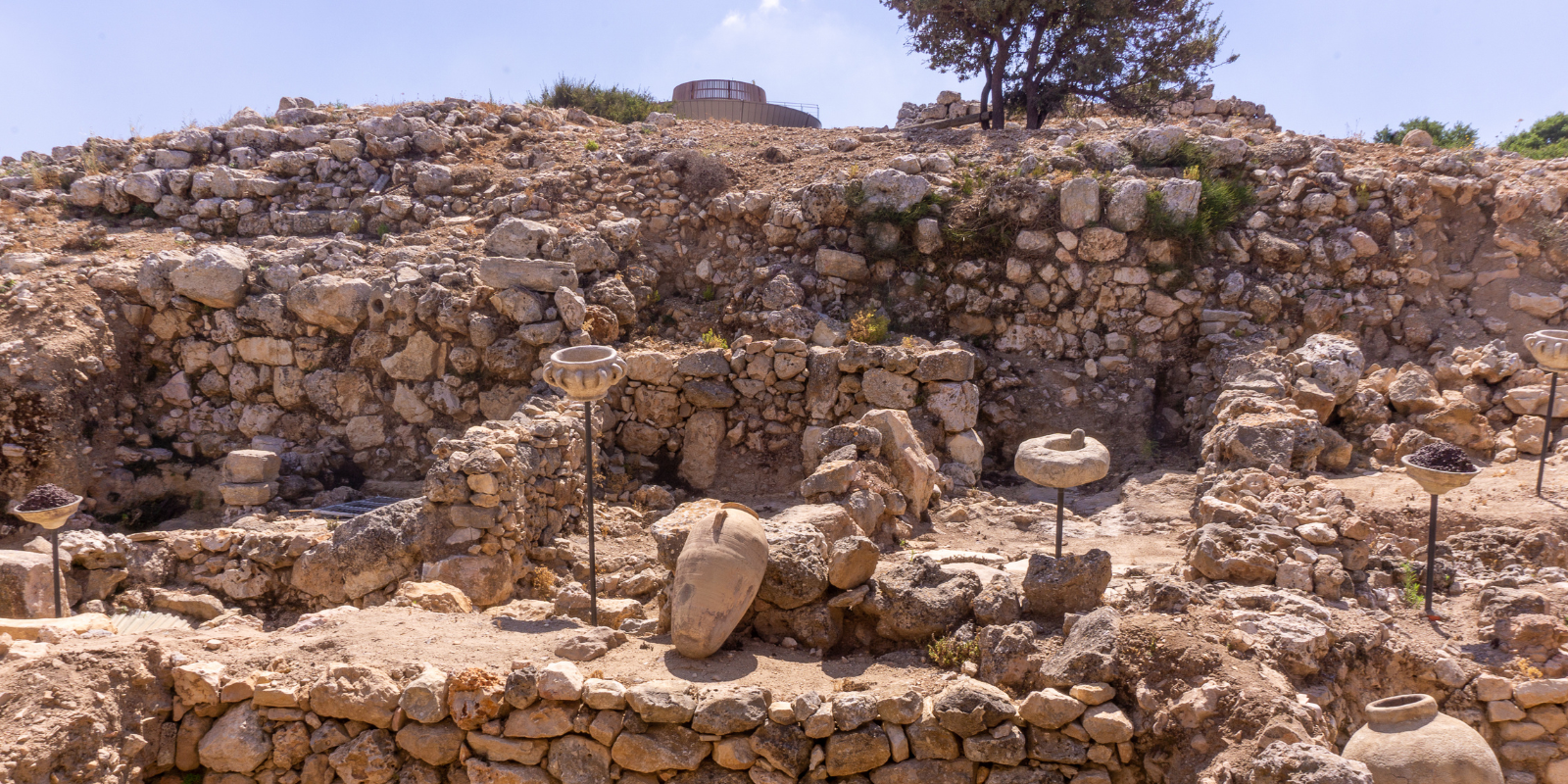
But stand in Shiloh, where the Tabernacle rested for three hundred and sixty-nine years, or at the Western Wall on a Friday afternoon as the plaza fills, and what you are watching is what Isaiah described.
In the worst two years this country has known since 1948, a nation that did not know us started running toward that place.
If you were on one of those buses, Isaiah saw you coming. God gave Israel splendor, and He meant for you to come looking for it.