








Every year on the Tenth of Tevet, Jews fast to commemorate a day when absolutely nothing fell apart (just yet).
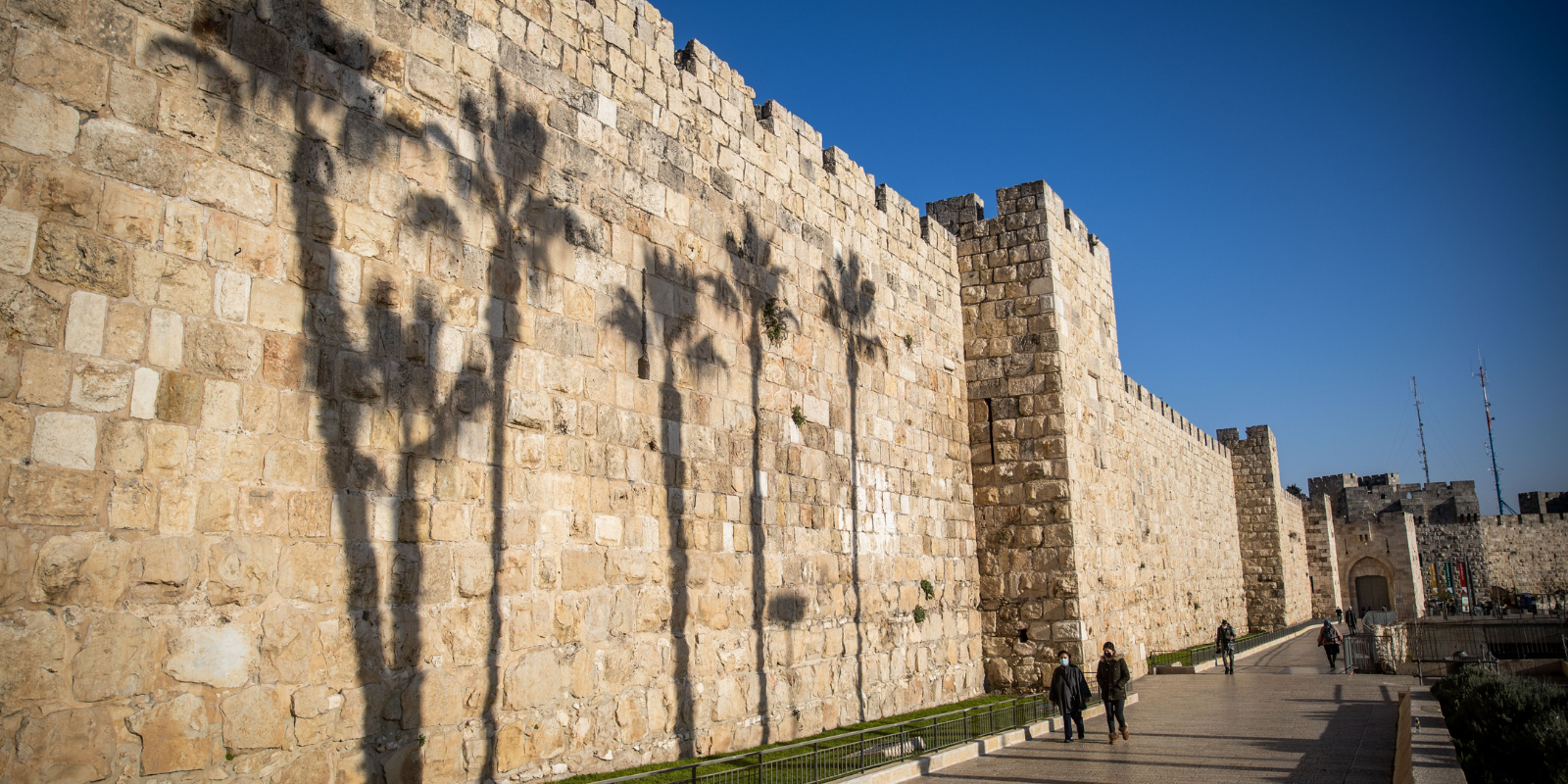
No temple burned. No walls crumbled. No one died. The date marks the beginning of Nebuchadnezzar’s siege of Jerusalem in 588 BCE—a military encirclement that wouldn’t result in actual destruction for another two and a half years. From inside the city, life continued. Markets operated. Religious services proceeded. Children played in the streets. If you lived in Jerusalem on that day, you might not have noticed anything catastrophic at all.
So why do we mourn a day when nothing visibly broke?
The answer reveals something unsettling about how disaster actually works. We imagine catastrophe as sudden—earthquake, fire, invasion. But the Hebrew prophets understood that true devastation is almost always a slow fade. It’s the gradual erosion of foundations that happens so incrementally we adjust to it instead of resisting it.
Here’s what makes incremental decline so dangerous: human beings are astonishingly adaptable. We recalibrate our expectations to match our circumstances. When standards drop gradually, we lower our standards to match. When injustice becomes familiar, we stop recognizing it as injustice. When corruption spreads slowly enough, we start calling it pragmatism.
The biblical prophets repeatedly hammer this point home. Isaiah rages against people who “call evil good and good evil, who put darkness for light and light for darkness”
Jeremiah warns a population that has become so accustomed to lies that they’ve lost the ability to blush. The problem isn’t that people suddenly became monsters. The problem is that they slowly stopped noticing what was happening around them. Small compromises compounded. Minor injustices accumulated. Standards eroded bit by bit until what would have been shocking a generation earlier had become unremarkable.
What happened next was already inevitable. By the tenth of Tevet, Jerusalem’s fate was sealed. The city still stood, but the real choices had already been made—in the decades of normalized corruption, accepted injustice, and hollow religiosity that preceded the siege. The ordinary people then were the officials who had looked away from exploitation. The priests who maintained rituals while ethics collapsed. The citizens who rationalized injustice because speaking up felt too costly.
By the time Nebuchadnezzar’s army surrounded the walls, those ordinary people had already built the conditions for their own destruction. They weren’t villains. They were people who had slowly learned to accept the unacceptable—until acceptance became participation.
The prophet Zechariah, speaking about this fast centuries later, calls it “the fast of the tenth month” and links it directly to the other commemorations of Jerusalem’s fall.
But here’s what’s striking: he lists it first, before the fasts that mourn the actual destruction. The calendar itself teaches us that the beginning matters more than the end—that the moment when decline becomes inevitable is more significant than the moment when it finally materializes.
This is a fast day about consequences that haven’t materialized yet. About warnings that still have time to be heeded. About the moment when you can still turn back—but only if you recognize where you’re heading.
The biblical text gives us the coordinates with clinical precision:
This verse doesn’t describe flames or screams. It describes arrival. Encirclement. The beginning of the end.
Hannah Arendt Hannah Arendt (1906-1975) was a German-Jewish political philosopher and theorist who fled Nazi Germany in 1933 and eventually settled in the United States.
Her most famous work is Eichmann in Jerusalem: A Report on the Banality of Evil (1963), which she wrote after covering Adolf Eichmann’s trial in Jerusalem as a reporter for The New Yorker. coined the phrase “the banality of evil” while observing Eichmann’s trial. She wasn’t describing a monster. She was describing a bureaucrat—someone who followed orders, conformed to systems, and never stopped to think critically about the moral implications of his actions. Evil, she realized, doesn’t require sadists. It requires thoughtlessness. It thrives in routine processes and rationalized choices.
This is what the Tenth of Tevet warns us about. The modern day siege begins when ordinary people start justifying small compromises. When bureaucrats prioritize efficiency over ethics. When we follow procedures without questioning where they lead. When we rationalize what we should resist.
The day of destruction is the day nothing happened—the day we normalized what should have alarmed us, the day we looked away from what we should have confronted, the day we convinced ourselves that our small compromises didn’t matter.
The real question isn’t whether disaster will announce itself dramatically. The real question is whether we’ll notice it arriving quietly—in our rationalizations, our justifications, our thoughtless conformity to systems that violate what we know to be true. The siege begins long before the enemy appears at the gates. It begins the day we stop noticing what’s eroding. The day nothing happened.