








Today my children and I were sitting on our porch.
It is day six, or six hundred, of the war reality we have been living in. For years we have known the threat from Iran, and this past week it escalated dramatically as Israel and the United States moved to dismantle it once and for all. Since then we have been receiving the Iranian retaliation in the form of ballistic missiles around the clock. In just the last week alone we have run to our bomb shelter more times than I could possibly count.
One child was swinging. Another was building with blocks. My nine year old son suddenly lifted his head and said, “Mom, just so you know, there’s going to be a siren in a few minutes.”
In Israel, rocket warnings come in stages. First comes a phone alert similar to the emergency notifications many Americans know from Amber Alerts. Then the Home Front Command sends a notice that rockets may be incoming. Only afterward does the air raid siren sound, giving us about a minute and a half to reach shelter.
The alert sound itself is so jarring that many families, ours included, have silenced it. We still receive the visual notifications, but we no longer hear that sharp warning tone every hour during the day. The siren itself, of course, we always hear.
So how did my son know?
This has become his routine.
Somewhere down the street another phone had sounded the alert. His ears, trained by over 2.5 years of of war and sharpened further by a week of this particular escalation, caught the faint pitch. Then he noticed the people outside our building. We live above a fruit store and a butcher shop, both of which have remained open throughout the week. Suddenly customers were hurrying out and climbing into their cars.
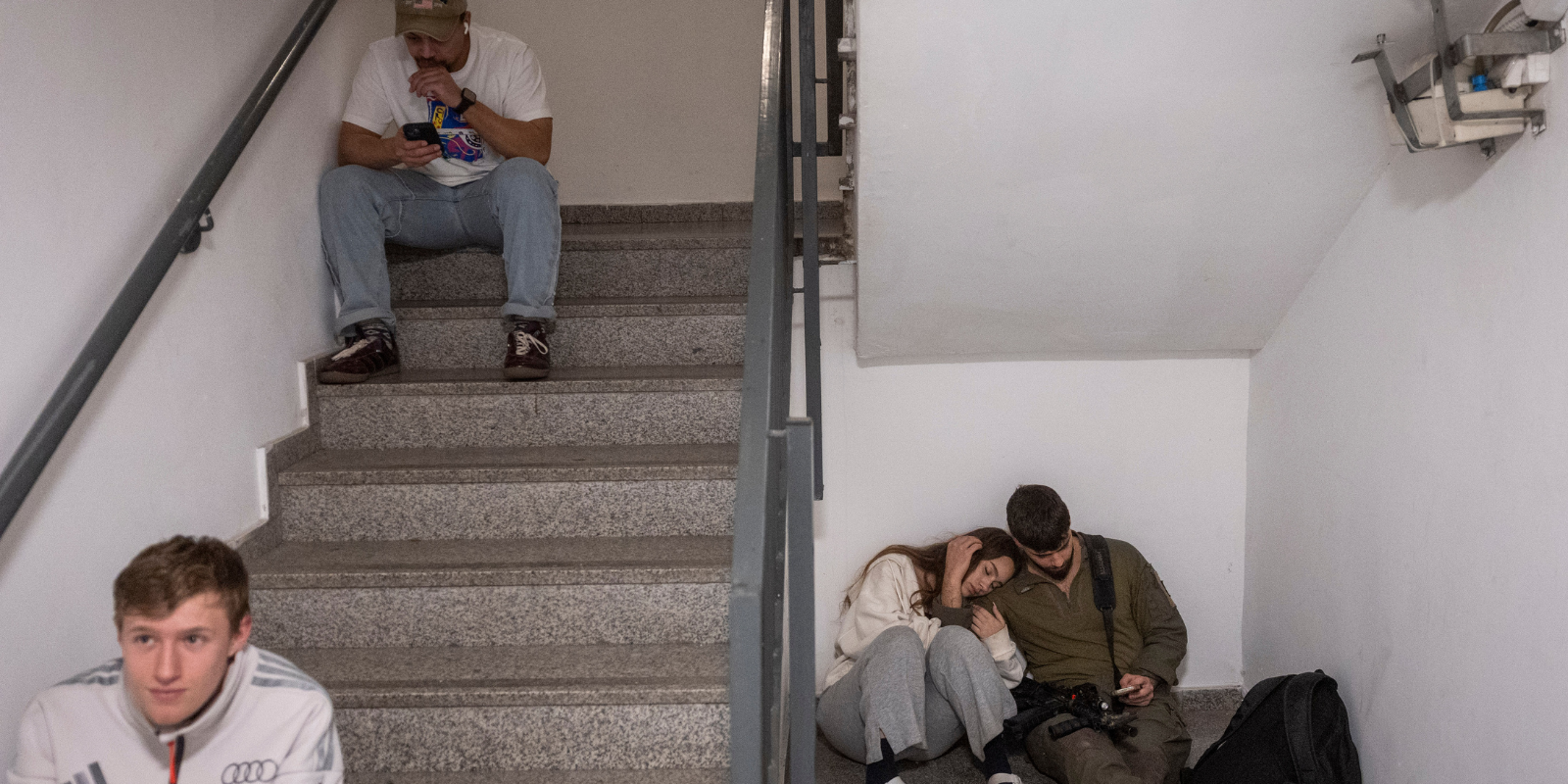
Eight minutes later the siren wailed, exactly as he predicted. We gathered the children and headed to the bomb shelter, another routine now woven into daily life.
Why tell this story?
Because routine is one of the ways human beings survive chaos. Routine trains the eye to notice patterns. It steadies the mind. It reminds us that even when the world feels unpredictable, there are rhythms that carry us forward.
The Torah understood this deeply.
This week’s portion, which we read over Shabbat is called Ki Tisa. And it describes a moment when the Israelites lost their sense of spiritual rhythm. While Moses was on Mount Sinai, the people panicked and demanded a new way to connect with God. Aaron fashioned the Golden Calf, and the people declared:
The following day they proclaimed:
The impulse itself was not entirely foreign to the Torah. The people were seeking closeness with God. But they attempted to create that closeness on their own terms. What emerged was not sacred service but confusion and chaos.
True worship in the Torah is not improvised enthusiasm. It is structured devotion.
Only a few portions later, the book of Leviticus introduces the detailed system of korbanot, offerings brought in the Temple. The word korban comes from the Hebrew root karov, meaning “to draw near.” These offerings were not about feeding God or appeasing divine anger. They were about creating a steady path for human beings to approach the Divine.
One verse captures this rhythm beautifully:
“This is the offering made by fire which you shall offer to the Lord: two lambs of the first year each day, continually” (Numbers 28:3).
Morning and evening. Every day. No drama. No improvisation.
The same idea appears earlier in the instructions for the Tabernacle service:
The meeting with God was not meant to happen once in a lifetime. It was meant to happen again and again through steady practice.
In other words, the Torah builds spiritual resilience the same way life builds emotional resilience. Through routine.
When the Israelites abandoned that structure and created the Golden Calf, the result was instability. When they followed the daily rhythm of offerings, they built a relationship with God that could endure.
For many readers today, the idea of animal offerings can feel distant or difficult to understand. The Temple no longer stands, and Jewish practice has evolved into prayer, study, and acts of kindness. Yet the deeper principle remains.
Faith grows through repetition.
Prayer said every morning. Blessings spoken over food. Lighting candles before Shabbat. Reading the words of Scripture again and again. These practices shape the heart the same way my son’s trained ears now recognize the faintest warning signal in the air.
The prophet Hosea captured this transformation centuries later when he taught that prayer itself can replace offerings:
The structure remained. The form changed.
As I write this, my children are sleeping another night in the bomb shelter. Their routine this week is not their usual bedtime routine of pajamas and stories. Instead they fall asleep on mattresses lined along the walls of a reinforced room, knowing that another siren may come before morning.
Routine does not remove fear.
But it gives us something stronger. A rhythm that carries us through it.