






Sandwiched between Nisan, the month of the Exodus, and Sivan, the month of the giving of the Torah, the Hebrew month of Iyar barely registers on the Jewish calendar. The Passover Seder is over, the matzah has gone stale, the Pesach dishes are back in storage. The melodies that filled the synagogue fade back into memory. By the time Iyar arrives, the spiritual electricity of the season is little more than a pleasant memory.
Which makes it strange that Iyar — of all months — is known as the month of healing.
The Chassidic masters find this hidden in the month’s name itself. The Hebrew letters of Iyar (אייר) form an acronym for the Hebrew words which mean “I am the Lord who heals you” (Exodus 15:26). It is a verse worth examining carefully.
God speaks these words shortly after the splitting of the Red Sea. Israel has just witnessed the most spectacular display of divine power in human history: the ten plagues, the Exodus, the sea torn apart before their eyes. And now God says:
What sickness needs to be healed? The Israelites have just been freed. They are healthy, victorious, and singing. The timing of this promise seems almost paradoxical.
Rabbi Menachem Mendel Schneerson, the Lubavitcher Rebbe, explains that the healing God promises here is not reactive — it is preventative. God is not curing an existing illness; He is building an immunity against one that is coming: spiritual apathy.
The Jewish year is not a random sequence of holidays. It is a complete map of the soul’s journey through divine service. Nisan, the first month, is about birth — the explosive moment of becoming. When we relive the Exodus on Passover night, we are not merely commemorating history; we are undergoing a genuine spiritual transformation. The constraints that narrow our souls (Mitzrayim, Egypt, shares a root with meitzar, a narrow place) crack open. We emerge renewed.
Iyar is the morning after.
This is the first day back at work following an exhilarating vacation, and anyone who has been there knows the feeling. The same Torah we studied with burning intensity during the Passover season now sits on our desk like a familiar stranger. The commandments we performed with joy and deliberateness slip back into routine. The problem isn’t laziness or bad faith — it’s something more elemental. Novelty fades. The fire that was lit in Nisan needs new fuel or it begins to die.
God knew this before the Israelites reached Sinai. And so, almost immediately, He began to administer the cure.
It came from the sky.
The Manna — the miraculous bread that sustained the Jewish people throughout their forty years in the desert — began to fall in the month of Iyar. When the Israelites first saw it lying on the ground, they were unable to name it. The Torah records their response: “Man hu?” — “What is it?” (Exodus 16:15). The word man stuck, and so did the confusion; the Manna was so unlike anything they had encountered that language failed them.
This failure of categorization was not incidental. It was the point.
The Manna fell fresh every morning. It could not be stored. It could not be planned around. Every day demanded that the Israelites encounter it as if for the first time, with fresh eyes, without the deadening effect of familiarity. God was training His people in precisely the quality of attention that Iyar demands — the refusal to let the extraordinary become invisible simply because it has become routine. But there was something deeper at work, too. The Manna could not be controlled, rationed, or secured in advance. It forced Israel into a posture of daily dependence on God. You could not take tomorrow’s bread for granted, because tomorrow’s bread hadn’t fallen yet.
This is the opposite of Egypt.
Egypt was watered by the Nile — a predictable, human-manageable system that ran whether you prayed or not. The Torah describes the Land of Israel in deliberate contrast: it “drinks water from the rain of heaven,” and “the eyes of the Lord your G-d are always upon it” (Deuteronomy 11:11-12). In Israel, the rain is not a meteorological fact. It is a conversation. Drought means something. Abundance means something. The Land itself is structured to prevent the illusion of self-sufficiency that Egypt made so easy.
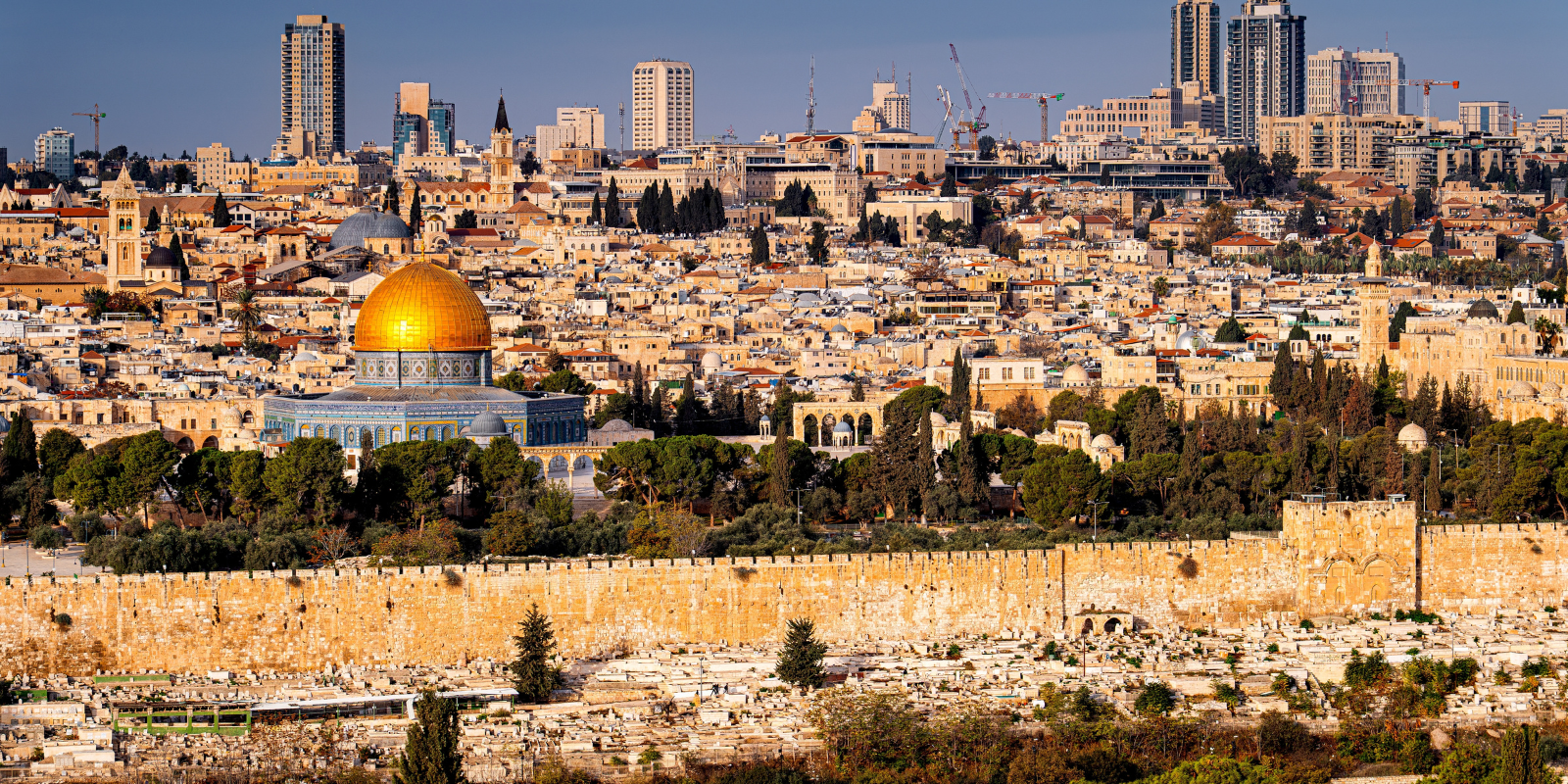
This is why the return to Israel and the establishment of the State on the 5th of Iyar, 1948 — after more than two thousand years of exile — belongs in the month of healing. In exile, Jews could forget this dependence. They lived within the systems of other nations, other economies, other lands that did not encode reliance on God into their soil. The return to Israel was not only a national homecoming. It was a return to the only place on earth where the terms of the relationship between Israel and God are written into the weather.
What the Manna taught in the desert, the Land of Israel teaches permanently: we are not self-sufficient, we were never meant to be, and the acknowledgment of that fact is not weakness but the beginning of wisdom.
“I am the Lord who heals you” is a promise addressed not to the sick, but to the healthy. Its message: the spiritual diseases that afflicted Egypt — the deadening of the heart, the illusion of control — will not take hold of you. But the prescription requires filling. The same passage in Exodus contains a striking condition: “If you listen carefully to the voice of the Lord your God and do what is right in His eyes, give ear to His commandments and keep all His statutes” (Exodus 15:26). The healing is contingent on active engagement. God provides the medicine; we must take it.
The Exodus is behind us. Sinai is ahead. And God, as always, has already prepared us for the journey.