



The Western Wall plaza filled with an unusual crowd a few weeks ago. Not the typical mix of tourists and worshippers, but one thousand pastors, community leaders, and Christian clergy from across the United States—the largest Christian delegation ever recorded in Israel. They had come for something different from the usual tour-group visits and photo opportunities.
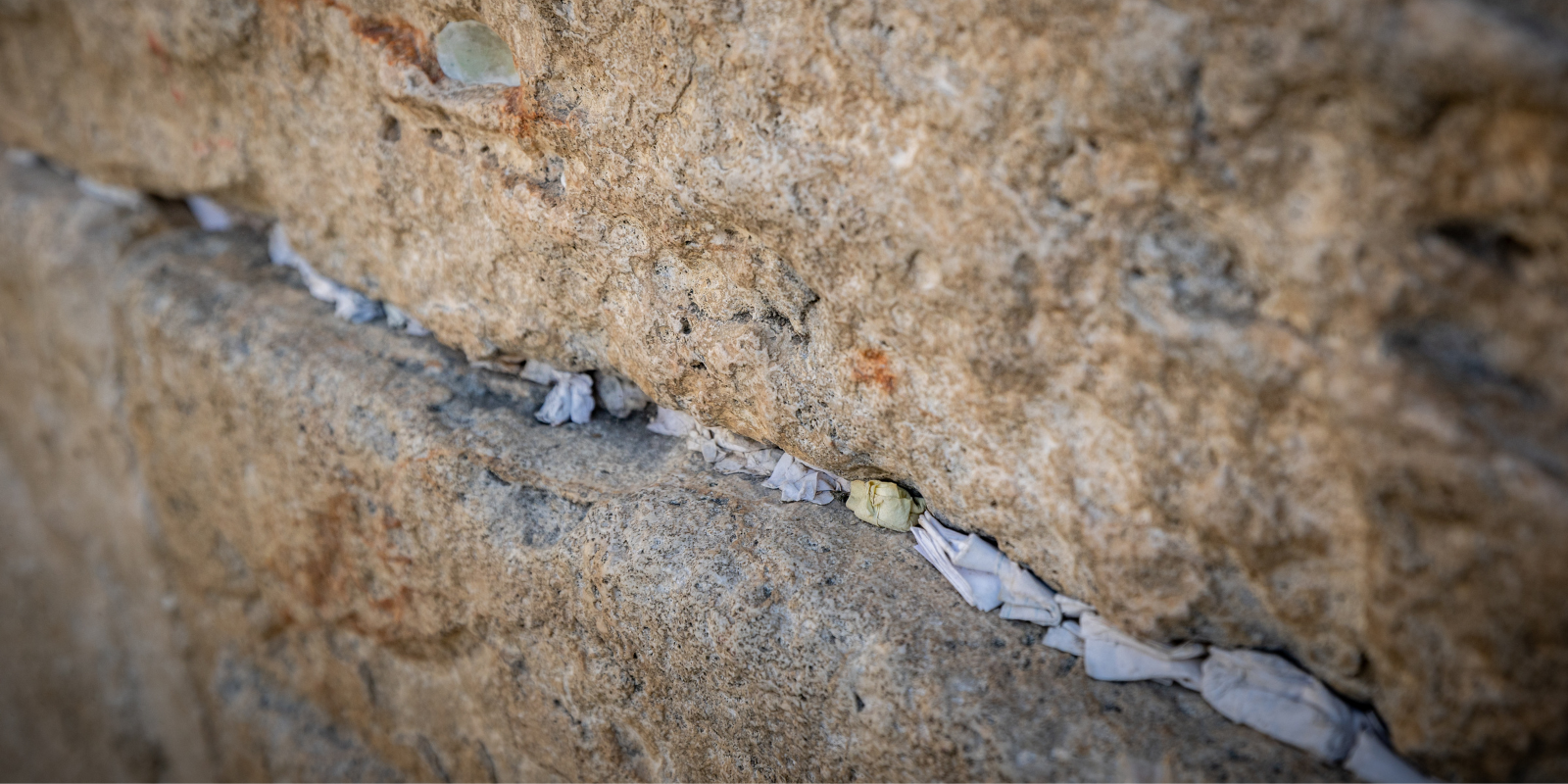
The visit to Judaism’s holiest site was a gesture of solidarity with the people of Israel. And in a deeply moving show of support, each carried a small note bearing the name of someone they had never met.
Rabbi Shmuel Rabinovich, the rabbi of the Western Wall and holy sites, stood before them, explaining what this ancient limestone wall means to the Jewish people. A focal point of prayer across generations. A remnant of the Temple destroyed two thousand years ago. The place where Jews have poured out their most desperate pleas and deepest hopes for centuries.
But that evening, the notes these Christians placed between those stones weren’t prayers for themselves. They were the names of the young people massacred at the Nova music festival on October 7, when Hamas terrorists turned a sunrise dance party into an abattoir.
Isaiah proclaimed that God’s house would be “a house of prayer for all peoples.” For most of Jewish history, that verse felt aspirational at best, darkly ironic at worst. Jews prayed alone at the Wall, or didn’t pray at all because foreign powers barred them from it. The idea that a thousand Christian leaders would stand freely at the Western Wall in prayer would have seemed impossible to any generation before ours.
Yet there they stood. And in an extraordinary gesture, one thousand people approached the Wall, each inserting a note with the name of a Nova victim.
The Western Wall has absorbed Jewish grief for millennia. Notes have been placed pleading for healing, for salvation, for divine intervention in impossible circumstances. But these Christians weren’t inserting notes asking God for help with their own struggles. They were bringing Jewish pain to the Wall. They were saying to these murdered young people and their families: We remember you by name.
This is different than the typical expressions of solidarity, however sincere. It’s one thing to issue statements of support, to wave Israeli flags at rallies, to condemn terrorism in speeches. It’s something else entirely to learn the names of people you never knew, to travel thousands of miles to Judaism’s holiest site, and to pray for the families of the deceased.
Rabbi Rabinovich joined these pastors in reciting a prayer for the elevation of the victims’ souls. A Jew and Christians together at the Western Wall, praying for Jews murdered while celebrating a Jewish holiday. The scene that would have been theologically impossible a few generations ago revealed what has changed about both Christian theology toward Jews and Jewish capacity to accept Christian friendship without suspicion.
Rabbi Rabinovich understood what he was witnessing. “Standing here before the stones of the Western Wall alongside our faithful friends from across the world is the fulfillment of the prophecy of Isaiah: ‘For My house shall be called a house of prayer for all peoples,'” he told the delegation.
The prophecy speaks of gentiles coming to pray at God’s house—and these thousand Christians praying at the Wall fulfilled that ancient promise. But what they chose to pray for that evening revealed something beyond prophecy: genuine friendship. “At this difficult time for the people of Israel, you exemplify what true friendship is,” the rabbi continued. “When you place notes with the names of the October 7 victims between the stones of this holy site, you share in our pain, our prayers, and our hope.”
He recognized something else, too. “What we share between us is much bigger than what separates us,” the rabbi said.
Isaiah’s verse is often understood as a messianic promise about the future. But that Thursday evening, as a thousand Christians prayed at the Western Wall, the rabbi was right—it felt less like prophecy and more like fulfillment.
The victims’ families will never meet most of these Christians. They’ll never know which pastor inserted which name into the Wall on behalf of which murdered child. But they’ll know that a thousand Christian leaders cared enough about Jewish lives to show up and pray for them at our holiest site.
This is what genuine friendship between peoples looks like. Not speeches. Not statements. Not carefully worded expressions of concern that manage to condemn all violence without naming who perpetrated it. Real friendship means carrying someone else’s grief as if it were your own. It means saying the names of the dead. It means showing up.