





Last week, a funeral finally took place that should have happened forty-four years ago.
In 1982, during the First Lebanon War, a Syrian ambush overwhelmed an Israeli tank battalion crossing the Bekaa Valley near a town called Sultan Yacoub. Twenty-one soldiers were killed in the fighting. When the smoke cleared, one more name was unaccounted for: Yehuda Katz, twenty-two years old.
Yehuda wasn’t just another soldier called up for duty. He was known as a serious Torah student, sharp enough that one of his rabbis leaned on him to help prepare a weekly shiur, a Torah lecture. And he was known for something else, too: as a nine-year-old boy, he noticed a classmate who’d lost a parent, and quietly took it upon himself to look out for him, making sure the boy was never left to sit alone. That was who Yehuda was before anyone knew his name from a battlefield.
Decades passed without an answer. Not knowing is its own kind of grief, and the Katz family chose not to grieve at all. Each week, when they gathered for Friday night Kiddush, the blessing over the wine that opens Shabbat, they folded in a line asking for Yehuda’s return. Whenever they traveled, they left instructions behind for him: which house to find them at, and where in the kitchen he’d find dinner waiting.
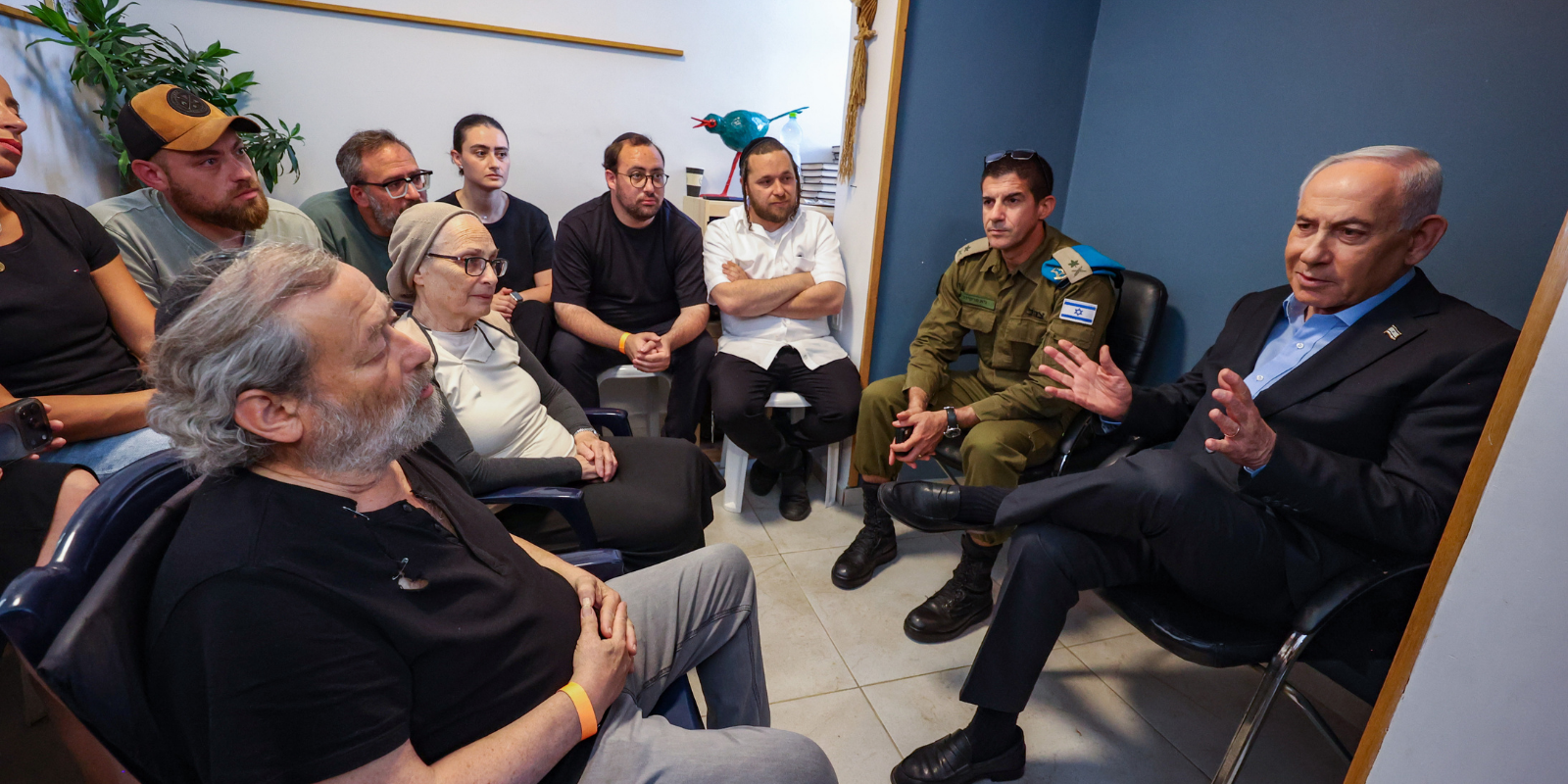
This August, the wait ended. Israeli intelligence located Yehuda’s remains and brought him home for burial on the Mount of Olives in Jerusalem.
What turns this from a story about a soldier lost into a story about a soldier’s character is what was found in his pocket. Tucked away in his fatigues, something he must have carried into the battle itself, was a short list in his own handwriting. Six commitments he had quietly set for himself:
- Say Tehillim, the Book of Psalms, every day.
- Speak less idle talk while learning.
- Eat with moderation.
- Increase in prayer and personal reflection before God.
- Wake earlier, before the day pulls him away.
- Immerse in the mikveh, a ritual bath, before each Shabbat.
A young man heading toward war wasn’t thinking about comfort. He was thinking about who he wanted to become. Most of us will never carry a rifle into battle. But we can carry the first item on his list. Say Psalms. King David wrote these Psalms three thousand years ago, and he described his own habit of prayer this way:
David wasn’t waiting for the right words or the right moment. He simply kept turning back to God, again and again, all day long, trusting he was heard.
You don’t need Hebrew, or a system for which Psalm fits which day. Open to Psalm 23, or Psalm 100, or wherever the page falls open, and read it as though you wrote it yourself. That’s what Yehuda carried with him. Not a strategy for a better life. A habit of turning toward Heaven, kept up even on the hardest days.
Yehuda never got the peaceful years to live out his six promises. But the list survived him, and now it’s ours to pick up. Before anything else pulls at you today, say one Psalm. Let that be the first kabalah you keep.
One easy way to build a daily Psalms habit: Bible Plus has a growing library of Psalms study, part of a greater library of online Bible study video courses, that you can return to each morning, whenever you have five minutes to spare.