



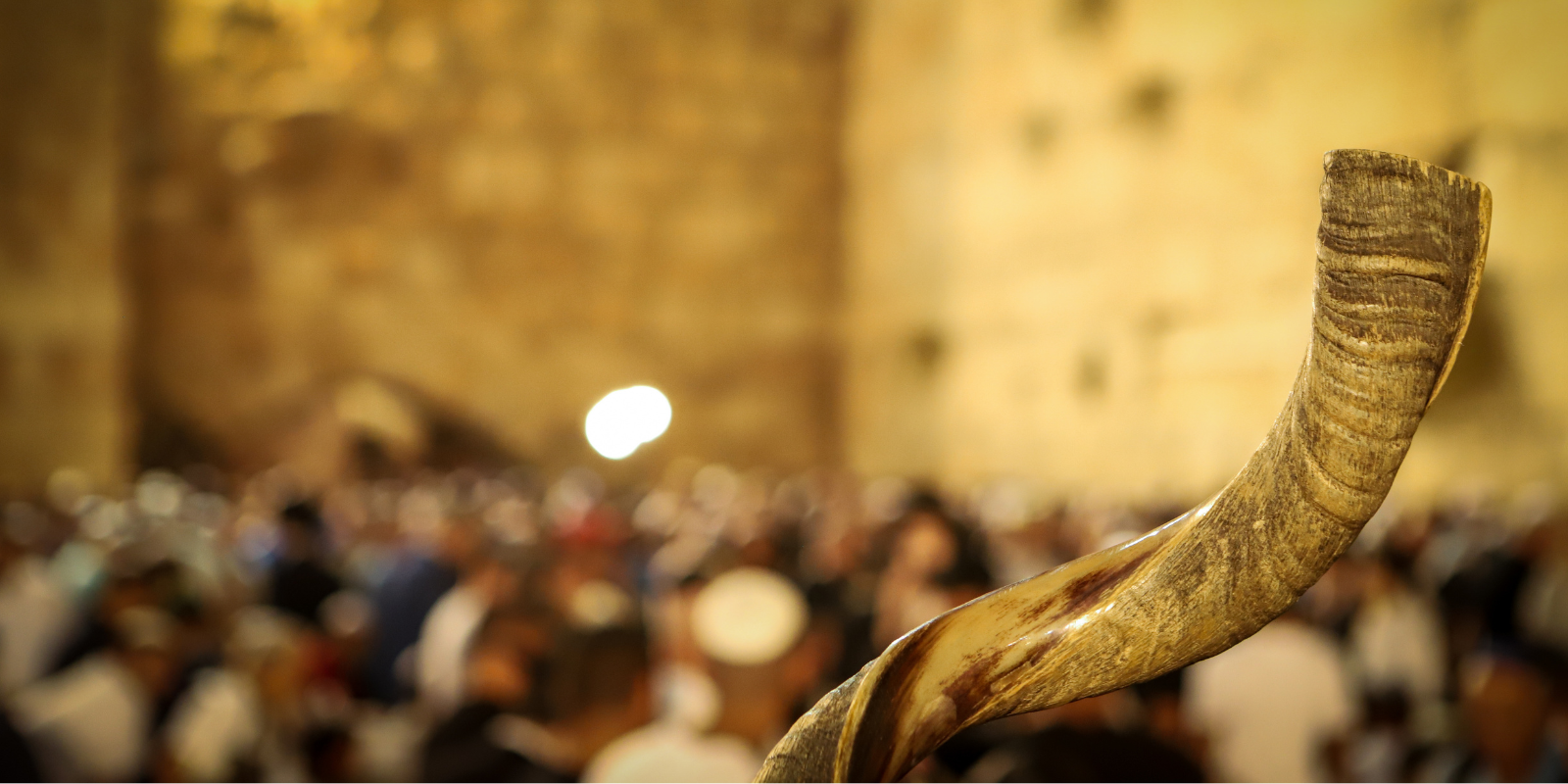
To listen to the radio broadcast of the IDF reclaiming the Temple Mount in 1967 is to relive one of the most thrilling moments in modern Jewish history. Amidst gunfire, young Israeli soldiers advanced through the Old City of Jerusalem until they victoriously proclaimed, “Har Habayit Biyadenu!” – “The Temple Mount is in our hands!” Culminating this wondrous miracle, Rabbi Shlomo Goren sounded the shofar at the Western Wall, carrying with him the ancient hopes and age-old prayers of millions of Jews around the world.
The religious response was immediate and overwhelming. Religious Jews established Jerusalem Day as a permanent holiday, and Hallel – psalms of praise reserved for God’s greatest miracles – was recited to commemorate the reunification of Jerusalem. Surely this was another step in the final redemption!
Yet nearly sixty years later, the picture looks starkly different. Jews are prohibited from praying on the Temple Mount. World leaders demand Israel relinquish control over Jerusalem’s holiest sites. And on October 7, 2023, Hamas named their brutal massacre “Operation Al-Aqsa Flood,” deliberately invoking the Temple Mount to justify the worst attack on Jews since the Holocaust.
So we must ask the uncomfortable question: Was 1967 truly part of God’s redemptive plan, or have we been celebrating a false dawn? If the Temple Mount victory was divinely orchestrated, why are we still fighting for Jerusalem?
This week’s Torah portion and prophetic reading (haftarah) provide a crucial answer – one that challenges our expectations about how God works in history.
The prophet Isaiah beautifully describes the ultimate redemption:
What a thrilling vision – all of God’s people summoned home to worship together in Jerusalem! Yet immediately after this exhilarating promise, Isaiah delivers a sobering message: even innocent children won’t be able to receive God’s revelation all at once. The medieval rabbi David Kimchi explains that deliverance will come incrementally, “commandment by commandment, line by line, a bit here and a bit there” (Isaiah 28:9-10).
This gradual process has deep biblical precedent.
When God first sent Moses to the enslaved Israelites in Egypt, his opening words echoed Joseph’s final message centuries earlier: “God will surely remember you” (Genesis 50:24). After generations of brutal slavery, imagine the electricity when Moses finally announced that God was going to redeem His people.
This was it! Redemption had arrived!
Except it hadn’t. Not yet.
Moses’ proclamation didn’t lead immediately to freedom. Instead, conditions catastrophically worsened. Pharaoh increased their burdens. The Israelites turned on Moses in anger and despair. Moses himself expected quick deliverance, but soon discovered God had other plans. Rather than unfolding through rapid miracles over a few days, salvation would require many long weeks and agonizing months of increasing difficulty.
The pattern is unmistakable: God announces His redemptive plan, the people get excited, but then circumstances deteriorate rather than improve. Does this mean the initial promise was false? Was the celebration premature?
No. It means we misunderstand how God redeems.
Both passages reveal the same divine pattern: In both ancient Egypt and Isaiah’s future vision, the people weren’t prepared for salvation to come all at once. They required a gradual process that would test their faith precisely when they thought deliverance had already arrived.
Consider the parallel: The religious Jews who established Jerusalem Day and recited Hallel in 1967 were not wrong to see God’s hand in Israel’s victory. Just as the Israelites in Egypt were right to believe Moses when he announced “God has surely remembered you,” the Jews celebrating Jerusalem’s reunification were right to recognize a divine moment.
But just as the Israelites faced harsher slavery after Moses’ initial announcement, we face fiercer opposition after 1967. Hamas didn’t accidentally name their October 7th attack “Al-Aqsa Flood” – they understand, perhaps better than we do, that Jerusalem and the Temple Mount remain the epicenter of the cosmic battle over God’s redemptive plan. The very intensity of the opposition proves how significant 1967 truly was.
This is how redemption works in Scripture. Each step forward provokes stronger resistance. Each divine advance triggers fiercer counterattack. The process is gradual not because God is weak, but because He is preparing His people – testing, refining, and strengthening their faith through the very difficulties that follow His miraculous interventions.
The return of the Jewish people to their ancient homeland after two thousand years, the rebirth of the State of Israel in 1948, the reunification of Jerusalem in 1967, the survival against overwhelming odds in every subsequent war, including October 7th – these are not political coincidences but stages in God’s redemptive plan. Each stage brings new challenges precisely because we’re moving forward, not backward.
Yes, Jews cannot freely worship on the Temple Mount today. Yes, the world demands Israel surrender Jerusalem. Yes, the “Al-Aqsa Flood” sought to drown the Jewish state in blood. But these obstacles don’t negate God’s redemptive work – they confirm we’re in the middle of it. As in Egypt, as Isaiah prophesied, deliverance unfolds in incremental stages, line by line, a bit here and a bit there.
The question isn’t whether 1967 was part of God’s plan. The question is whether we have the faith to continue believing it when the process takes longer and costs more than we ever imagined. Just as God remembered His covenant with Abraham, Isaac, and Jacob in Egypt – even through the darkest moments when it seemed like everything was getting worse – He is remembering His eternal promises to Israel today.
Jerusalem Day remains a day of praise because 1967 remains a divine milestone. The shofar Rabbi Goren sounded at the Western Wall still echoes forward toward the day when that great shofar will sound, and all peoples will worship the God of Israel on His holy mountain in Jerusalem. We’re not there yet. But we’re closer than we’ve been in two thousand years – and every attack meant to push us backward only proves how far we’ve already come.